
Introduction
Self-care plays a crucial role in maintaining both physical and mental health. Taking time to care for yourself helps reduce stress, boost energy, and improve overall happiness.
Home is an ideal place to practice self-care because it offers a safe, comfortable space where you can focus on your needs without distractions.
By adopting small, consistent habits at home—like mindfulness, regular breaks, or healthy snacks—you can create lasting improvements in your well-being over time.
Creating a Comfortable and Relaxing Environment

How to Declutter Your Space for Mental Clarity
A tidy space can lead to a clearer mind. Start by removing items you no longer need or use. Organize your belongings into designated spots to reduce visual clutter and make your environment feel more open and peaceful.
Ideas for Creating a Calming Nook or Corner
Designate a small area in your home as your personal retreat. Add cozy elements like soft cushions, a comfortable chair, and warm lighting. Personal touches like books, plants, or artwork can make the space inviting and help you unwind.
Using Aromatherapy to Enhance Relaxation
Incorporate soothing scents through candles or essential oils to create a calming atmosphere. Lavender, chamomile, and eucalyptus are popular choices that promote relaxation and reduce stress.
Mindfulness and Mental Health
Benefits of Mindfulness and Meditation
Practicing mindfulness and meditation regularly can reduce stress, improve focus, and promote emotional balance. These techniques help you stay present, increase self-awareness, and cultivate a sense of calm in daily life.
Simple Breathing Exercises Anyone Can Do
Breathing exercises like deep belly breathing or the 4-7-8 technique are easy to learn and effective for calming the mind. Taking just a few minutes to focus on your breath can quickly reduce anxiety and improve concentration.
Apps and Online Resources for Guided Meditation
There are many apps and websites offering guided meditation sessions, making mindfulness accessible for everyone. Popular options include Headspace, Calm, and Insight Timer, which provide meditations for different experience levels and goals.
Journaling for Mental Clarity and Emotional Release
Writing down your thoughts and feelings through journaling can help process emotions and gain perspective. It’s a powerful tool for self-reflection, reducing mental clutter, and fostering emotional well-being.
Nutrition and Hydration

The Importance of Balanced Meals for Energy and Mood
Eating balanced meals rich in nutrients helps sustain energy levels throughout the day and supports a stable mood. Incorporating a variety of fruits, vegetables, whole grains, and lean proteins fuels both body and mind.
Easy Healthy Recipes to Try at Home
Simple recipes like overnight oats, veggie stir-fries, or smoothies can make eating well easy and enjoyable. These dishes require minimal preparation but provide essential vitamins and minerals for overall health.
Tips for Staying Hydrated Throughout the Day
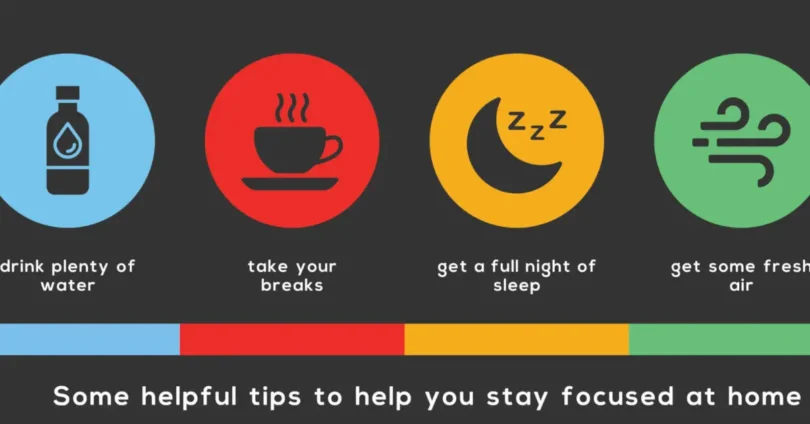
Drinking enough water is vital for concentration and physical well-being. Keep a water bottle nearby, set reminders to drink, and include hydrating foods like cucumber and watermelon in your diet.
How Food Affects Mental Health
What you eat directly impacts your brain chemistry and mood. Diets rich in omega-3 fatty acids, antioxidants, and vitamins have been linked to reduced symptoms of anxiety and depression, highlighting the importance of mindful nutrition.
Physical Movement and Exercise
Benefits of Regular Physical Activity on Mental and Physical Health
Engaging in regular physical activity improves cardiovascular health, boosts mood, reduces anxiety, and increases overall energy levels. Exercise stimulates the release of endorphins, which promote feelings of happiness and well-being.
Low-Impact Workouts to Do at Home
Activities like yoga, stretching, and walking are gentle on the body yet highly effective. These exercises enhance flexibility, reduce muscle tension, and support mental relaxation without the need for special equipment.
Setting a Simple Exercise Routine Without Equipment
Creating a straightforward routine can help you stay consistent. Start with short sessions of bodyweight exercises like squats, lunges, or gentle yoga flows, gradually increasing duration as you build strength and endurance.
Using Online Workout Videos and Apps
There are many free and paid resources available that guide you through workouts tailored to all fitness levels. Apps like Nike Training Club, YouTube channels, and fitness websites make exercising at home accessible and motivating.
Quality Sleep and Rest
Importance of Sleep Hygiene
Good sleep hygiene is essential for restorative rest, which supports cognitive function, emotional regulation, and overall health. Consistent sleep patterns and a healthy environment can significantly improve sleep quality.
Tips for Creating a Calming Bedtime Routine
Establish a relaxing routine before bed, such as reading, gentle stretching, or listening to soothing music. Keeping a regular bedtime helps signal your body that it’s time to wind down.
How to Avoid Screen Time Before Bed
Limiting exposure to screens at least an hour before sleep reduces blue light, which can interfere with melatonin production. Instead, try activities like journaling, meditation, or light reading to prepare for restful sleep.
Relaxation Techniques to Improve Sleep Quality
Techniques such as deep breathing, progressive muscle relaxation, or guided meditation can calm the mind and body, making it easier to fall asleep and stay asleep throughout the night.
you may also like to read these posts:
Comparing Group Study and Self Study: Benefits and Best Uses
Best Business Computers in 2025: Performance & Reliability
Powerful & Compact: Best Portable Mini PCs for
Exploring Different Types of Online Learning Platforms
Streetwear Reloaded: The Freshest Looks of the Year
Managing Screen Time and Digital Detox
How Excessive Screen Time Affects Mental Health
Spending too much time on screens can lead to eye strain, disrupted sleep, increased anxiety, and reduced attention span. Overexposure to social media may also contribute to feelings of isolation or stress.
Practical Ways to Limit Phone and Computer Usage
Set specific time limits for daily screen use, use apps that track and restrict usage, and schedule regular breaks to rest your eyes and mind. Turning off non-essential notifications can also reduce distractions.
Activities to Replace Screen Time
Engage in reading books, pursuing hobbies like gardening or drawing, and spending quality time with friends or family. These alternatives encourage mindfulness and promote social connection.
Setting Boundaries for Work-From-Home Digital Use
Create a dedicated workspace separate from relaxation areas, define clear work hours, and avoid checking work emails or messages outside those times. Establishing these boundaries helps maintain a healthy work-life balance.
Engaging in Hobbies and Creative Outlets
Benefits of Creative Activities on Mental Well-Being
Creative hobbies can reduce stress, improve mood, and boost self-esteem. Engaging in activities like painting, writing, or crafting helps express emotions and encourages mindfulness.
Ideas for Hobbies That Can Be Done at Home
Try activities such as drawing, knitting, cooking new recipes, playing a musical instrument, or gardening. These hobbies require minimal space and materials but offer great mental stimulation and enjoyment.
How to Make Time for Hobbies Despite a Busy Schedule
Set aside small, regular time blocks for hobbies— even 10 to 15 minutes a day can make a difference. Prioritize your interests like appointments, and combine hobbies with social time when possible.
Social Connection and Support
Importance of Staying Connected with Friends and Family
Maintaining strong social ties is vital for emotional health and can reduce feelings of loneliness and stress. Regular interaction with loved ones provides a sense of belonging and support.
Ways to Nurture Relationships from Home
Use phone calls, video chats, and messaging apps to keep in touch. Scheduling regular catch-ups or virtual hangouts helps maintain closeness despite physical distance.
Joining Online Communities or Support Groups
Participating in online groups centered around shared interests or challenges can offer connection and understanding. These communities provide valuable emotional support and opportunities for social engagement.
Faqs:
What is self care, and why is it important?
Self care means taking deliberate actions to maintain or improve your physical, mental, and emotional health. It’s important because it helps reduce stress, boost mood, increase energy, and improve overall well-being.
How can I practice self care if I have a busy schedule at home?
Even small actions count! Try to set aside just 5-10 minutes daily for activities like deep breathing, stretching, or journaling. Consistency matters more than duration.
Do I need special tools or products to practice self care at home?
Not at all! Self care can be as simple as taking a break, drinking water, going for a walk, or reading a book. You can enhance the experience with candles, essential oils, or apps, but they’re not necessary.
How can I stay motivated to keep up with self care routines?
Set realistic goals, create reminders, and celebrate small wins. It can also help to vary your activities and include things you genuinely enjoy to keep it fun.
Can self care improve mental health?
Absolutely! Practices like mindfulness, meditation, proper sleep, and healthy eating can reduce anxiety, improve mood, and increase resilience to stress.
Conclusion
Taking care of yourself doesn’t have to be complicated or time-consuming. By incorporating simple self care habits into your daily routine at home, you can significantly improve your physical health, mental well-being, and overall happiness. Remember, self care is a personal journey — what works for one person might be different for another. The key is to start small, be consistent, and listen to your body and mind’s needs.
Your home can be your sanctuary, a place where you nurture yourself and recharge. So, give yourself permission to slow down, prioritize your well-being, and enjoy the positive ripple effects that self care brings to your life. You deserve it!