
Introduction
Scarves have long been celebrated as one of the most versatile fashion accessories, effortlessly blending style and function. Whether worn to add a pop of color, texture, or pattern—or to provide warmth on a chilly day—scarves adapt seamlessly to every season and outfit.
Their timeless appeal lies in their ability to transform a look instantly, making them a must-have staple in wardrobes around the world. From lightweight silk to cozy knits, scarves continue to evolve with trends while maintaining their classic charm.
Different Types of Scarves and Their Uses
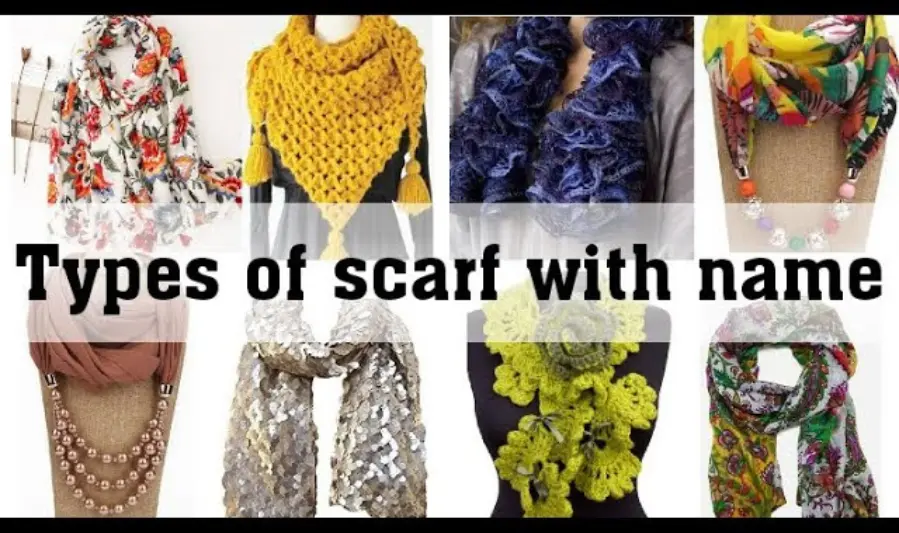
Scarves come in a variety of fabrics and styles, each offering unique benefits that make them perfect for different occasions and seasons. Here’s a quick guide to the most popular types and how to wear them:
Silk Scarves
Lightweight and luxurious, silk scarves are ideal for spring and summer. They add a touch of sophistication without weighing you down and work perfectly as neck accessories, headbands, or even tied to handbags for a chic accent.
Wool and Cashmere Scarves
Warm and cozy, wool and cashmere scarves are the go-to choices for fall and winter. Their insulating properties help keep the chill at bay while adding texture and richness to your layered looks.
Pashmina and Shawls
Elegant and versatile, pashmina scarves and shawls offer both warmth and style. Often larger than regular scarves, they can be draped over shoulders for formal occasions or wrapped snugly for everyday wear.
Infinity Scarves
Featuring a continuous loop design, infinity scarves are easy to wear and style. They provide a modern, casual look and can be doubled up for added warmth or worn loosely for a breezy feel.
Bandanas and Square Scarves
Small yet versatile, bandanas and square scarves are trendy accessories that can be worn around the neck, as headwraps, or tied to bags. Their playful prints and colors make them perfect for adding personality to casual outfits.
Popular Ways to Style Scarves in 2025
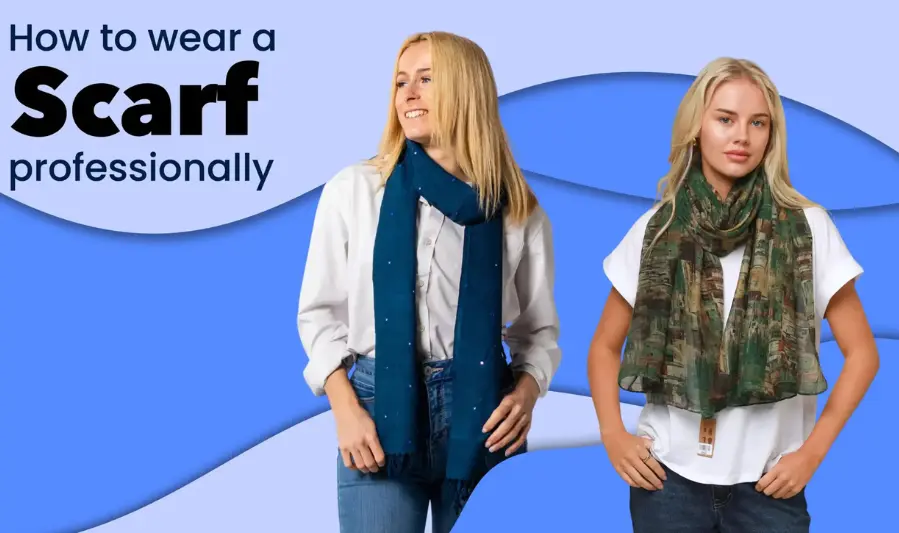
Scarves remain a dynamic accessory, with styling techniques evolving to match modern fashion sensibilities. Here are some of the top ways to wear scarves this year, adding flair and versatility to your outfits:
Classic Loop
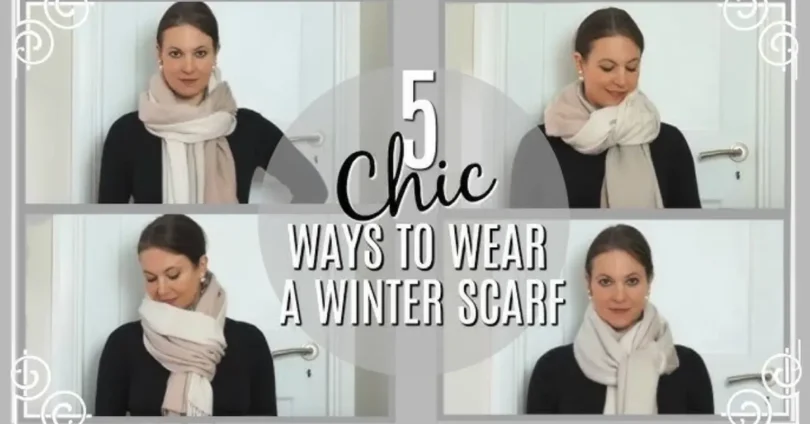
The timeless go-to: fold the scarf in half, wrap it around your neck, and pull the ends through the loop. This style works well with most scarf types and adds an effortless touch to both casual and polished looks.
Knot Necklace
Treat your scarf like jewelry by tying it close to your neck with a chic knot. This style works best with lightweight scarves like silk, instantly elevating your neckline with a pop of color or pattern.
Shawl Drape
Drape a large scarf or shawl loosely over your shoulders for a cozy yet elegant vibe. Perfect for layering over dresses or outerwear, this look balances comfort with sophistication.
Belted Scarf
Wrap a long scarf around your waist and secure it with a belt to create an unexpected layering piece. This trend adds shape and texture to simple dresses or tunics, giving your outfit a fresh silhouette.
Head Wrap and Turban Style
Scarves worn as head wraps or turbans are both practical and fashionable. Whether for a casual day out or a bold statement look, this style adds a unique cultural and bohemian flair.
Bag Accessory
Tie a small scarf onto your handbag handle to add a splash of color and personality. This subtle detail can refresh your everyday bag and tie your whole look together.
How to Choose the Right Scarf for Your Outfit
Picking the perfect scarf isn’t just about grabbing any pretty fabric—it’s about choosing one that complements your outfit, suits the season, and fits your personal style. Here’s how to make the best choice:
Match Fabric and Weight to the Season
- Spring and Summer: Opt for lightweight fabrics like silk, chiffon, or linen. These materials add style without overheating and can double as chic accessories for your hair or bags.
- Fall and Winter: Choose warmer options such as wool, cashmere, or thick knits that provide insulation and cozy texture. Heavier scarves also add a comforting layer to your look.
Coordinate Colors and Patterns with Your Outfit
- For a bold statement, pick scarves with vibrant colors or striking patterns that contrast with your outfit’s palette.
- For a harmonious look, select scarves in complementary or neutral shades that blend smoothly with your clothing.
- When mixing patterns, keep one element consistent—like color tone or scale—to avoid visual clutter.
Consider Your Personal Style and Occasion
- If your style leans toward classic and minimal, go for solid colors or subtle textures that enhance rather than overpower your look.
- For trendsetters and fashion risk-takers, experiment with oversized prints, unique knots, and unexpected fabric combinations.
- Think about the event: a delicate silk scarf suits a formal gathering, while a chunky knit is ideal for casual outings and outdoor activities.
How to Choose the Right Scarf for Your Outfit
Picking the perfect scarf isn’t just about grabbing any pretty fabric—it’s about choosing one that complements your outfit, suits the season, and fits your personal style. Here’s how to make the best choice:
Match Fabric and Weight to the Season
- Spring and Summer: Opt for lightweight fabrics like silk, chiffon, or linen. These materials add style without overheating and can double as chic accessories for your hair or bags.
- Fall and Winter: Choose warmer options such as wool, cashmere, or thick knits that provide insulation and cozy texture. Heavier scarves also add a comforting layer to your look.
Coordinate Colors and Patterns with Your Outfit
- For a bold statement, pick scarves with vibrant colors or striking patterns that contrast with your outfit’s palette.
- For a harmonious look, select scarves in complementary or neutral shades that blend smoothly with your clothing.
- When mixing patterns, keep one element consistent—like color tone or scale—to avoid visual clutter.
Consider Your Personal Style and Occasion
- If your style leans toward classic and minimal, go for solid colors or subtle textures that enhance rather than overpower your look.
- For trendsetters and fashion risk-takers, experiment with oversized prints, unique knots, and unexpected fabric combinations.
- Think about the event: a delicate silk scarf suits a formal gathering, while a chunky knit is ideal for casual outings and outdoor activities.
Styling Tips for Different Occasions
Scarves are incredibly adaptable, making them perfect for elevating your look no matter the occasion. Here’s how to style scarves to suit different settings in 2025:
Casual Day Looks
Choose lightweight, easy-to-wear scarves like cotton or silk in fun prints or bright colors. Try a loose drape around your neck or a simple knot for an effortless, laid-back vibe. Pair with jeans, tees, or casual dresses for an instant style boost.
Office and Professional Settings
Opt for scarves in refined fabrics such as silk or fine wool in neutral tones or subtle patterns. Tie your scarf in a neat knot or a classic loop to keep the look polished and sophisticated. This adds a touch of elegance to blazers, blouses, or tailored dresses without being distracting.
Evening and Formal Events
Elevate your outfit with luxurious scarves made from silk, satin, or pashmina. Use a shawl drape over your shoulders or a sleek knot necklace style to complement gowns or cocktail dresses. Choose scarves with delicate embellishments or rich textures to add a refined finishing touch.
Travel and Outdoor Activities
Prioritize comfort and warmth with cozy wool or cashmere scarves. Wrap them snugly for protection against the elements, or use an infinity scarf for easy wear on the go. Choose versatile scarves in neutral shades that can match multiple outfits during your travels.
How to Style Scarves for Different Face Shapes
The way you wear a scarf can subtly highlight your best features or balance your face shape. Here are styling tips tailored to the most common face shapes to help you make the most of this versatile accessory:
Round Faces
To elongate and slim the face, opt for scarves tied loosely with longer ends hanging down, like a classic loop or a long drape. Avoid bulky scarves that add volume around the cheeks. Vertical lines created by hanging scarves help create a lengthening effect.
Oval Faces
Oval faces are considered the most versatile, so almost any scarf style works well. Experiment with knots close to the neck, soft drapes, or even bold head wraps. Just ensure the scarf doesn’t hide your natural face shape; keep the balance light and airy.
Square Faces
Soften strong jawlines by choosing scarves with rounded edges and flowing shapes. Drape the scarf asymmetrically or wear it in a loose knot to create curves and movement around the face. Avoid tight, angular knots that echo the sharpness of your jaw.
Heart-Shaped Faces
Balance a wider forehead and narrower chin by wearing scarves with volume around the lower part of the face. Try a shawl drape or a scarf tied below the chin to draw attention downward. Lightweight fabrics with gentle folds work best to create softness.
Accessorizing with Scarves
Scarves are incredibly versatile and can elevate your entire look when paired thoughtfully with other accessories. Here’s how to style scarves alongside jewelry and hats, and use them to add texture and layers to your outfits:
Pairing Scarves with Jewelry and Hats
- With Jewelry: Keep balance in mind. If your scarf has a bold pattern or bright color, opt for simple, understated jewelry like delicate studs or thin chains to avoid visual overload. Conversely, a neutral or solid-colored scarf pairs beautifully with statement earrings or layered necklaces.
- With Hats: Scarves complement hats like berets, fedoras, or wide-brim styles by adding softness or a splash of color. Try tying a scarf around your head beneath a hat for a chic layered look, or knot it at the neck when wearing an open-faced hat to add dimension.
Using Scarves to Add Texture and Layers
- Scarves introduce different textures—silky, chunky, matte, or glossy—that can enrich an outfit. Pair a smooth silk scarf with a chunky knit sweater or a leather jacket for contrast.
- Layering scarves over coats, sweaters, or dresses can break up solid colors and create visual interest. Mixing textures and weights keeps your look dynamic and seasonally appropriate.
- Don’t hesitate to experiment with draping styles—loose, wrapped, or belted—to add depth and a personalized touch to your outfit.
Caring for Your Scarves
yoy may also like to read these posts:
Comparing Group Study and Self Study: Benefits and Best Uses
Best Business Computers in 2025: Performance & Reliability
Powerful & Compact: Best Portable Mini PCs for
Exploring Different Types of Online Learning Platforms
Streetwear Reloaded: The Freshest Looks of the Year
Scarves, with their delicate fabrics and varied textures, require thoughtful care to keep them looking fresh and beautiful. Follow these tips to clean and store your scarves properly and extend their lifespan.
Cleaning Tips for Different Materials
- Silk Scarves: Hand wash in cold water with a gentle detergent specifically for delicate fabrics. Avoid wringing; instead, gently press out excess water and lay flat to dry. Dry cleaning is also a safe option.
- Wool and Cashmere Scarves: Hand wash in cold water using a mild wool detergent or opt for dry cleaning. Avoid hot water and harsh agitation to prevent shrinking or felting. Lay flat to dry on a towel.
- Cotton and Linen Scarves: These can usually be machine washed on a gentle cycle with cold water. Use a mild detergent and avoid high heat when drying to prevent shrinking.
- Pashmina and Shawls: Typically best cleaned by professional dry cleaning to maintain softness and shape.
- Synthetic Fabrics (Polyester, Acrylic): Usually machine washable on a gentle cycle, but check care labels. Air dry to avoid heat damage.
Proper Storage to Avoid Wrinkles and Damage
- Fold or Roll: Fold scarves neatly or roll them to prevent creases. Avoid hanging delicate scarves for long periods, as this can stretch the fabric.
- Use Breathable Storage: Store scarves in breathable fabric bags or drawers lined with acid-free tissue paper to protect them from dust and moisture.
- Avoid Direct Sunlight: Keep scarves away from direct sunlight to prevent fading, especially with vibrant colors and delicate fibers.
- Separate Storage: Store scarves separately from heavy or sharp objects to avoid snags and pulls.
DIY and Creative Ideas
Scarves aren’t just for wearing—they’re also a fantastic canvas for creativity. Whether you want to craft your own unique accessories or experiment with new ways to tie your scarf, these ideas will help you personalize your look and make the most of this versatile piece.
Making Your Own Scarf Accessories
- Beaded Tassels and Fringe: Add handmade tassels or beaded fringes to the ends of a plain scarf for a boho-chic upgrade. Use embroidery thread and small beads to create eye-catching details.
- Scarf Clips and Brooches: Use vintage or modern brooches and clips to secure scarves in creative ways or add a decorative touch. You can also craft your own clips with wire and charms for a personalized flair.
- Paint and Dye: Customize a plain white or neutral scarf with fabric paint or tie-dye techniques at home. This allows you to create custom patterns and colors that perfectly match your style.
Creative Tying Techniques to Try at Home
- The French Knot: Fold the scarf into a triangle, place the middle at the front of your neck, cross the ends behind, bring them back to the front, and tie a small knot to the side for a chic, Parisian-inspired look.
- The Loop & Tuck: Wrap the scarf around your neck once, then tuck the ends through the loop for a neat and cozy style perfect for cooler days.
- The Bow Tie: Fold a narrow scarf into a thin band, wrap it around your neck, and tie it into a bow at the side or center for a playful, feminine touch.
- The Headband Wrap: Fold the scarf into a band, wrap it around your head, and tie it at the nape or side for a retro-inspired accessory that keeps hair stylishly in place.
Faqs:
What types of scarves work best for different seasons?
Lightweight scarves like silk and cotton are ideal for spring and summer, while wool, cashmere, and pashmina scarves are perfect for keeping warm in fall and winter.
How can I tie a scarf to look stylish but effortless?
Simple styles like the classic loop, knot necklace, or draping it loosely over your shoulders create a chic yet effortless look.
Can scarves be worn with any outfit?
Yes! Scarves are incredibly versatile and can complement casual, professional, and formal outfits with the right styling.
How do I choose the right scarf color or pattern?
Consider your outfit’s color palette—either choose a scarf that complements your clothes or one that provides a bold contrast for a statement look.
How do I care for delicate scarves like silk?
Hand wash silk scarves gently with mild detergent or follow care labels, and always air dry flat to maintain their quality and shape.
Conclusion
Scarves are timeless accessories that add instant style, warmth, and personality to any outfit. Whether you prefer classic knots, elegant drapes, or trendy head wraps, mastering the art of styling scarves can elevate your wardrobe effortlessly. With endless fabrics, colors, and tying techniques to explore, scarves offer a fun and versatile way to express your unique fashion sense all year round.