
Introduction
Why does time always feel like it’s slipping through our fingers?
In a world filled with endless notifications, back-to-back meetings, and constant demands on our attention, it’s no surprise that so many of us feel overwhelmed by the ticking clock. Despite being busy all day, we often end up wondering: “What did I actually accomplish?”
Feeling busy but not productive is one of the most common frustrations of modern life. We hustle through our days, juggling tasks, but rarely feel in control of our time. The problem isn’t always a lack of hours—it’s how we manage and prioritize them.
The purpose of this post is simple: to help you take back control of your time. Whether you’re a professional, student, entrepreneur, or just someone trying to get more done without burning out, this guide will give you clear, actionable strategies to manage your time better.
Why Time Management Matters
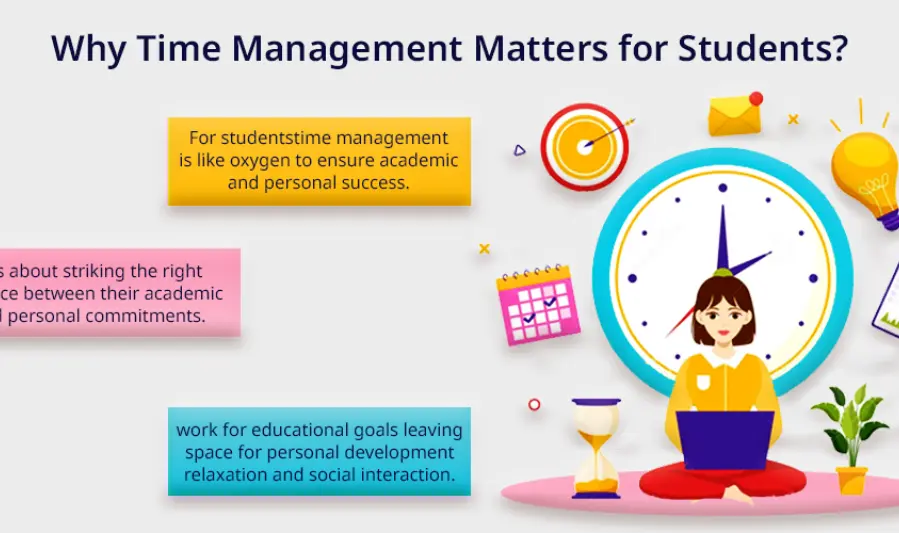
Time is one of the few resources we all get in equal measure—24 hours a day. Yet, how we choose to use it can be the difference between feeling fulfilled and constantly playing catch-up.
1. Increases Productivity and Efficiency
When you manage your time well, you’re able to get more done in less time. This isn’t about rushing—it’s about focusing on what truly matters, eliminating distractions, and using your energy wisely. Effective time management allows you to work smarter, not harder.
2. Reduces Stress and Anxiety
Scrambling to meet deadlines, missing appointments, or feeling constantly behind creates mental and emotional strain. A well-structured schedule gives you a sense of control, reducing the overwhelm and helping you stay calm—even when things get busy.
3. Helps Achieve Personal and Professional Goals
Big goals—whether it’s writing a book, launching a business, or learning a new skill—aren’t accomplished in a day. Time management helps you break these goals into manageable steps and make consistent progress, turning long-term dreams into daily action.
4. Promotes Better Work-Life Balance
Good time management ensures you’re not just working in your life but living it. By setting boundaries and allocating time for rest, relationships, and recreation, you prevent burnout and create space for what truly matters.
Common Time Management Challenges
Managing your time effectively can be tough, especially when faced with these common obstacles:
- Procrastination: Delaying tasks often leads to last-minute stress and lower-quality results.
- Distractions: Social media, phone calls, and other interruptions break your focus and slow progress.
- Lack of Planning or Prioritization: Without a clear plan, it’s easy to get caught up in less important tasks.
- Multitasking and Task Switching: Trying to do too many things at once reduces efficiency and increases mistakes.
- Low Energy or Poor Motivation: Fatigue and lack of drive can make even simple tasks feel overwhelming.
Understanding these challenges is key to developing strategies that help you regain control over your time.
Common Time Management Challenges

Effectively managing your time means overcoming certain hurdles that can easily derail your plans. Here are some of the most common challenges many people face:
Procrastination
Procrastination isn’t just about laziness—it often stems from fear, perfectionism, or feeling overwhelmed by a task. When you put off important work, it piles up, creating unnecessary pressure and reducing the quality of your output. Breaking the cycle of procrastination requires identifying its root causes and developing small, manageable steps to start.
Distractions
In today’s connected world, distractions are everywhere. Notifications from your phone, social media updates, email alerts, or even noisy environments can interrupt your flow. Each distraction not only wastes time but also reduces your ability to focus deeply, making tasks take longer than they should.
Lack of Planning or Prioritization
Without a clear plan or priorities, it’s easy to spend your day on tasks that feel urgent but aren’t important. This reactive approach leads to busywork, missed deadlines, and frustration. Learning to plan your day with intention and prioritize tasks based on their impact is crucial for effective time management.
Multitasking and Task Switching
While multitasking might seem like a good way to get more done, studies show it actually reduces productivity and increases errors. Constantly switching between tasks forces your brain to refocus repeatedly, which wastes mental energy and slows progress. Focusing on one task at a time can significantly improve efficiency and quality.
Low Energy or Poor Motivation
Even with the best plans, low energy levels and poor motivation can undermine your efforts. Factors like inadequate sleep, poor nutrition, lack of physical activity, or burnout can leave you feeling drained and disengaged. Managing your energy through healthy habits and building motivation through clear goals and rewards is essential to maintaining productivity.
Top 10 Time Management Tips
1. Create a Daily To-Do List
Start each day by writing down the tasks you need to complete. This simple habit keeps you organized and focused. For example, jot down three to five key tasks each morning to prevent overwhelm and provide clear direction throughout the day.
2. Prioritize Tasks Using Methods Like the Eisenhower Matrix or ABC Method
Not all tasks are created equal. The Eisenhower Matrix helps you categorize tasks based on urgency and importance, allowing you to focus on what truly matters. The ABC method assigns priority levels (A, B, C) to tasks, helping you tackle high-impact items first.
3. Use Time Blocking to Structure Your Day
Divide your day into blocks dedicated to specific activities. For example, reserve 9 AM to 11 AM for focused work, 11 AM to 12 PM for meetings, and afternoons for administrative tasks. This creates boundaries that reduce multitasking and increase productivity.
4. Apply the Pomodoro Technique for Focused Work
Work in short, focused bursts—typically 25 minutes—followed by a 5-minute break. After four cycles, take a longer break. This method helps maintain concentration and prevents burnout. You can use timers or apps designed specifically for Pomodoro.
5. Limit Digital and Physical Distractions
Turn off unnecessary notifications, close unused tabs, and create a clutter-free workspace. For example, put your phone on “Do Not Disturb” mode during work blocks to minimize interruptions and stay in the zone.
6. Set SMART Goals (Specific, Measurable, Achievable, Relevant, Time-bound)
Clear goals guide your efforts and provide motivation. Instead of “Get better at writing,” try “Write a 500-word article by Friday.” SMART goals make it easier to track progress and stay accountable.
7. Use Time Tracking Tools to Monitor Where Your Time Goes
Apps like Toggl, RescueTime, or even simple spreadsheets help you understand how you spend your day. By identifying time sinks, you can adjust your habits and reclaim wasted hours.
8. Learn to Say “No” to Non-Essential Commitments
Protect your time by declining requests or invitations that don’t align with your priorities. Saying “no” respectfully helps you avoid overcommitting and keeps your focus on what matters most.
9. Delegate or Automate Repetitive Tasks
Identify tasks that others can do or that can be automated—like scheduling social media posts or sorting emails. Delegating frees you up to focus on higher-value activities and reduces your workload.
10. Reflect and Review Your Schedule Weekly
Set aside time each week to review what worked, what didn’t, and adjust your plan accordingly. This reflection helps you stay aligned with your goals and continuously improve your time management skills.
Useful Tools and Apps
Managing your time effectively often requires the right tools. Here are some popular apps that can help you stay organized, focused, and productive:
Task Management
- Trello: A visual board-based tool ideal for organizing tasks, projects, and workflows with drag-and-drop simplicity.
- Asana: Great for team collaboration and project tracking, offering to-do lists, deadlines, and progress monitoring.
Calendars
- Google Calendar: A versatile, cloud-based calendar that integrates seamlessly with other Google services, perfect for scheduling and reminders.
- Microsoft Outlook: Combines email and calendar management, ideal for professionals who rely heavily on Microsoft Office.
Note-Taking and Planning
- Notion: A flexible workspace for notes, databases, calendars, and task management—all in one customizable platform.
- Evernote: A straightforward app for capturing ideas, notes, and to-do lists, with powerful search features.
Time Tracking
- Toggl: Easy-to-use time tracking app that helps you monitor how much time you spend on different tasks and projects.
- RescueTime: Runs in the background and provides detailed reports on how you spend your digital time, helping identify distractions.
- Clockify: A free time tracker and timesheet app, great for freelancers and teams alike.
Focus Tools
- Pomofocus: An online Pomodoro timer that helps you work in focused intervals with scheduled breaks.
- Forest: A unique app that encourages focus by growing a virtual tree while you work—if you leave the app, the tree dies.
Time Management Tips for Different Audiences
Effective time management looks different depending on your lifestyle and responsibilities. Here are some targeted tips for various groups:
Students: Study Schedules and Balancing Classes
- Create a study timetable that breaks down your syllabus into manageable chunks.
- Use tools like digital calendars to track assignment deadlines and exam dates.
- Prioritize subjects or projects based on difficulty or deadlines.
- Schedule regular breaks to avoid burnout and maintain focus.
Professionals: Managing Meetings, Emails, and Deep Work
- Block off dedicated time for deep, focused work—turn off email and notifications during these periods.
- Limit meetings by setting clear agendas and time limits; say no to unnecessary ones.
- Use email filters and schedule specific times to check your inbox rather than responding instantly.
- Set daily priorities and communicate availability clearly with colleagues.
Entrepreneurs and Freelancers: Juggling Multiple Roles
- Separate your day into work blocks for different roles (e.g., marketing, client work, admin).
- Automate repetitive tasks like invoicing or social media posting when possible.
- Use project management tools to keep track of multiple clients or projects simultaneously.
- Set boundaries to avoid overworking and maintain personal time.
Parents: Balancing Home Responsibilities with Personal Time
- Plan your day around your family’s schedule, incorporating both work and personal time.
- Involve family members in task planning to share responsibilities.
- Use time blocks for focused work when children are napping or at school.
- Prioritize self-care activities to recharge and avoid burnout.
you may also like to read these posts:
Comparing Group Study and Self Study: Benefits and Best Uses
Best Business Computers in 2025: Performance & Reliability
Powerful & Compact: Best Portable Mini PCs for
Exploring Different Types of Online Learning Platforms
Streetwear Reloaded: The Freshest Looks of the Year
Common Time Management Mistakes
Even with the best intentions, it’s easy to fall into habits that undermine your time management efforts. Being aware of these common mistakes can help you avoid them and stay on track:
Overcommitting and Trying to Do Too Much
Saying “yes” to every request or opportunity can stretch you too thin, leading to burnout and unfinished tasks. It’s important to set realistic limits based on your capacity and priorities.
Planning Without Execution
Creating detailed plans is valuable, but without follow-through, they’re just ideas on paper. Consistently taking action and reviewing your progress turns plans into results.
Ignoring Breaks and Rest
Skipping breaks might seem productive in the short term, but it actually reduces focus and energy. Regular rest periods are essential to maintain sustained productivity and prevent burnout.
Striving for Perfection Instead of Progress
Waiting for the “perfect” moment or outcome often leads to procrastination. Embracing progress over perfection encourages you to keep moving forward, learning and improving as you go.
Not Adapting When Plans Change
Life is unpredictable. Rigidly sticking to plans without flexibility can cause frustration when unexpected events arise. Being adaptable helps you respond effectively and stay productive even when things don’t go as planned.
Faqs:
What is the best way to start managing my time effectively?
Start by creating a simple to-do list every day and prioritizing your tasks. Focus on completing the most important and urgent tasks first to build momentum.
How can I avoid procrastination?
Break your tasks into smaller, manageable steps, use techniques like the Pomodoro method, and eliminate distractions such as social media or unnecessary notifications.
Are there any tools that can help me manage my time better?
Yes! Popular tools include Google Calendar for scheduling, Trello or Asana for task management, and apps like Toggl or RescueTime to track how you spend your time.
How do I handle interruptions while working?
Set specific “focus time” blocks where you minimize distractions, inform others when you’re unavailable, and use apps that block distracting websites during work periods.
Is multitasking a good way to manage time?
No, multitasking often reduces productivity and increases errors. It’s better to focus on one task at a time for higher quality and faster results.
Conclusion
Effective time management is a skill that anyone can develop with practice and the right strategies. By prioritizing tasks, minimizing distractions, and using proven techniques like time blocking and the Pomodoro method, you can significantly improve your productivity and reduce stress. Remember, managing your time well doesn’t mean doing more—it means doing what matters most efficiently.
Start by implementing just a few of these tips today, and watch how your days become more organized and fulfilling. With consistent effort, you’ll gain control over your schedule, achieve your goals, and create more time for what truly matters in your life.