
Introduction
Sustainable living is about making everyday choices that are better for the environment and future generations. It means using resources wisely, reducing waste, and living in a way that supports the planet rather than harms it.
With climate change, pollution, and resource depletion on the rise, sustainable living is more important now than ever. The way we consume, travel, and dispose of things has a lasting impact on the world around us.
The best part? You don’t need to overhaul your life to make a difference. Small, simple changes—like reducing plastic use or conserving energy—can lead to meaningful, long-term impact when done consistently.
The 3 R’s: Reduce, Reuse, Recycle
Explanation of Each Principle
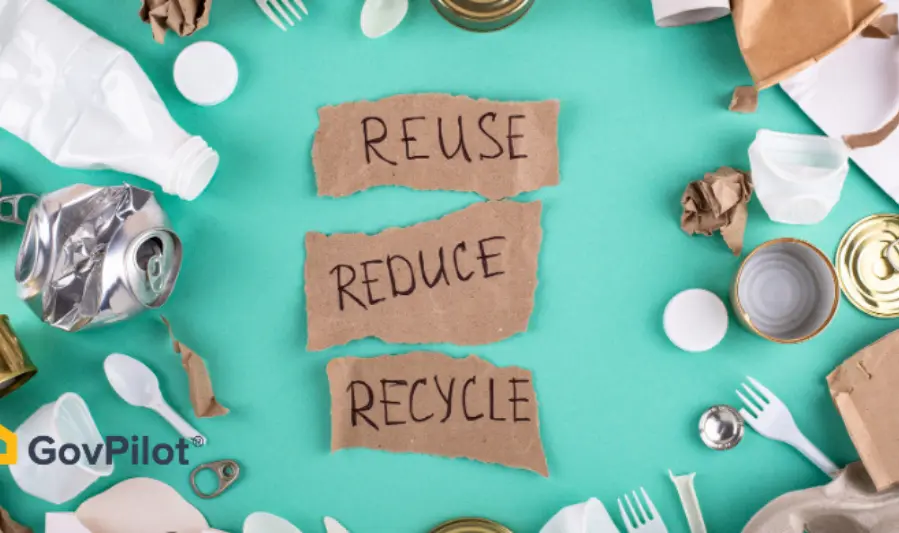
- Reduce: Focus on cutting back on what you consume. The less waste we create, the less ends up in landfills or the ocean.
- Reuse: Find new ways to use items instead of throwing them away. This helps extend a product’s life and reduces the need to buy new things.
- Recycle: Properly sort and dispose of materials like paper, plastic, metal, and glass so they can be processed and made into new products.
Examples of How to Apply Them in Daily Life
- Reduce: Choose products with minimal packaging, bring your own bags, and buy in bulk to cut down on waste.
- Reuse: Use glass jars for storage, repurpose old clothing as cleaning rags, or donate items instead of discarding them.
- Recycle: Separate recyclables correctly, clean containers before recycling, and follow local recycling guidelines.
Common Recycling Mistakes and How to Avoid Them
- Mistake: Putting dirty or food-soiled containers in the recycling bin.
Solution: Rinse items before recycling to prevent contamination. - Mistake: Recycling items that aren’t accepted locally (e.g., plastic bags, certain types of packaging).
Solution: Check your municipality’s recycling rules and drop off specialty items at designated centers. - Mistake: “Wishcycling” — tossing questionable items into the recycling bin, hoping they’re recyclable.
Solution: When in doubt, look it up or throw it out—non-recyclables can damage recycling machinery.
Energy Conservation at Home

Switch to Energy-Efficient Appliances
Upgrading to energy-efficient appliances—especially those with the Energy Star label—can significantly reduce electricity usage. These appliances are designed to use less power while maintaining performance, helping to lower utility bills and environmental impact.
Benefits of LED Lighting
LED bulbs use up to 80% less energy than traditional incandescent bulbs and last much longer. They’re an easy, cost-effective upgrade that can make a noticeable difference in both your energy consumption and lighting costs.
Tips for Reducing Phantom Energy
Phantom (or standby) energy is the power used by devices even when they’re turned off. To reduce it:
- Unplug chargers, electronics, and small appliances when not in use
- Use power strips to easily disconnect multiple devices at once
- Opt for smart plugs with timers or energy-monitoring features
Use of Smart Thermostats and Natural Lighting
Smart thermostats help you optimize heating and cooling by adjusting temperatures based on your schedule and habits, leading to both energy and cost savings.
Additionally, make the most of natural light during the day to reduce reliance on artificial lighting—open blinds and use light-colored walls to reflect sunlight more effectively.
Water Conservation
Why Water Conservation Is Important
Freshwater is a limited resource, and conserving it is essential to ensure availability for future generations. Reducing water waste also lowers utility bills and reduces the energy needed to pump, heat, and treat water.
Fixing Leaks and Installing Water-Saving Fixtures
Even small leaks can waste gallons of water each day. Repair dripping taps, running toilets, and faulty pipes promptly. Installing water-efficient fixtures—like low-flow showerheads, faucet aerators, and dual-flush toilets—can significantly cut down on usage.
Water-Smart Habits
Adopting simple daily habits makes a big difference:
- Take shorter showers
- Turn off the tap while brushing teeth or washing dishes
- Only run dishwashers and washing machines with full loads
- Use a broom instead of a hose to clean driveways
Collecting Rainwater and Reusing Greywater (Where Legal)
Rainwater collection systems can provide water for gardening, cleaning, and other non-potable uses. In some areas, reusing greywater (lightly used water from sinks, showers, etc.) is legal and beneficial for irrigation. Always check local regulations before setting up these systems.
Sustainable Shopping and Consumption
Buying Less and Choosing Better
Focus on purchasing only what you truly need and opting for high-quality, durable items. This reduces waste and the demand for fast, disposable products that harm the environment.
Choosing Eco-Friendly Packaging
Select products packaged in recyclable, compostable, or minimal materials. Avoid single-use plastics whenever possible and support brands that prioritize sustainable packaging solutions.
Supporting Ethical and Sustainable Brands
Look for companies committed to fair labor practices, environmental responsibility, and transparency. Supporting these brands encourages more ethical production and consumption patterns.
Shopping Local to Reduce Carbon Footprint
Buying locally produced goods reduces transportation emissions and supports your community’s economy. Local shopping often means fresher, seasonal products with less packaging too.
Food Choices That Support the Planet
Eating More Plant-Based Meals and Why It Matters
Plant-based diets generally require fewer resources like water and land, and produce less greenhouse gas emissions compared to meat-heavy diets. Incorporating more fruits, vegetables, legumes, and grains helps reduce your environmental footprint.
Reducing Food Waste with Storage Tips and Meal Planning
Properly storing food extends its freshness and prevents spoilage. Planning meals in advance ensures you buy only what you need, minimizing waste. Using leftovers creatively also cuts down on discarded food.
Buying in Bulk and Using Reusable Produce Bags
Buying staples like grains, nuts, and spices in bulk reduces packaging waste and often saves money. Bringing reusable produce bags to the store helps avoid single-use plastic bags, making your shopping more sustainable.
Composting Kitchen Scraps
Composting organic waste like fruit peels, coffee grounds, and vegetable scraps turns waste into nutrient-rich soil. This reduces landfill contributions and supports healthier gardens and plants.
Ditching Single-Use Items
Impact of Single-Use Plastics on the Environment
Single-use plastics—like bags, straws, and utensils—often end up in landfills or oceans, where they take hundreds of years to decompose. They harm wildlife, pollute ecosystems, and contribute significantly to global waste.
Sustainable Alternatives
Switching to reusable items can greatly reduce plastic waste. Consider bamboo toothbrushes, cloth shopping bags, stainless steel or silicone straws, and refillable water bottles as eco-friendly replacements.
How to Build a Zero-Waste Starter Kit
Start with essentials like a reusable water bottle, shopping bags, food containers, and utensils. Gradually add items like beeswax wraps, cloth napkins, and refillable toiletries to minimize waste in daily life.
Minimalism and Mindful Living
How Minimalism Supports Sustainability
Minimalism encourages focusing on what truly adds value to life and reduces excess consumption. By buying less and choosing quality over quantity, you lower your environmental impact and promote a more sustainable lifestyle.
Tips for Decluttering Sustainably
Donate usable items to charities or community groups, and consider upcycling or repurposing belongings instead of discarding them. Avoid sending items to landfill whenever possible to keep waste out of the environment.
Being Intentional About Purchases
Before buying, pause to consider if the item is necessary, durable, and ethically made. Mindful purchasing helps prevent clutter and reduces resource consumption.
Reducing Impulse Buying
Set a waiting period before making non-essential purchases, create a budget, and avoid shopping when stressed or bored. These strategies help you avoid unnecessary spending and support more thoughtful consumption.
you may also like to read these posts:
Comparing Group Study and Self Study: Benefits and Best Uses
Best Business Computers in 2025: Performance & Reliability
Powerful & Compact: Best Portable Mini PCs for
Exploring Different Types of Online Learning Platforms
Streetwear Reloaded: The Freshest Looks of the Year
Eco-Friendly Transportation
Using Public Transport, Walking, or Cycling
Opting for public transit, walking, or biking reduces greenhouse gas emissions and traffic congestion. These methods also promote healthier lifestyles and can save money on fuel and parking.
Benefits of Carpooling or Ride-Sharing
Sharing rides lowers individual fuel consumption and carbon footprint. It also reduces wear and tear on vehicles and can make commuting more social and enjoyable.
Electric Vehicles and Sustainable Fuel Alternatives
Electric cars and vehicles powered by sustainable fuels like biodiesel or hydrogen produce fewer emissions than traditional gasoline vehicles. Investing in or supporting these technologies helps reduce overall environmental impact.
How to Offset Travel-Related Carbon Emissions
Offsetting involves investing in projects that reduce or capture emissions, like reforestation or renewable energy. Many services allow travelers to calculate and compensate for their carbon footprint from flights or driving.
Green Habits in Daily Routine
Using Natural Cleaning Products
Switch to eco-friendly cleaning solutions made from ingredients like vinegar, baking soda, and essential oils. These reduce harmful chemicals in your home and lessen environmental pollution.
Reducing Digital Waste
Unsubscribe from unwanted emails and newsletters to minimize digital clutter. Regularly declutter cloud storage by deleting unused files and photos to reduce energy consumption from data centers.
Creating a Green Morning and Evening Routine
Incorporate sustainable habits like using reusable coffee cups, turning off unnecessary lights, and prepping meals with minimal waste. Consistent routines help make eco-friendly choices automatic.
Building Sustainable Habits with Habit-Tracking Apps
Use apps designed to track and reinforce green habits, like water conservation or zero-waste goals. These tools provide motivation and reminders to keep you on track.
Community Involvement & Advocacy
Supporting Local Eco-Initiatives
Get involved with community projects that promote sustainability, such as farmers’ markets, recycling programs, or urban gardens. Supporting these initiatives helps build a greener local environment.
Volunteering for Clean-Up Drives and Planting Trees
Participate in neighborhood clean-ups or tree-planting events to directly improve your community’s natural spaces. These activities foster connection and have a tangible environmental impact.
Spreading Awareness Through Social Media or Events
Use your platforms to share eco-friendly tips, promote green events, and raise awareness about environmental issues. Hosting or attending workshops and talks can also inspire others to act.
Joining or Starting Sustainability-Focused Groups
Connect with like-minded individuals by joining existing sustainability groups or starting your own. Collective efforts amplify impact and provide support for ongoing environmental action.
Faqs:
What does sustainable living mean?
Sustainable living means making daily choices that reduce your environmental impact by conserving resources, minimizing waste, and supporting eco-friendly practices.
How can I start living more sustainably without overwhelming myself?
Begin with small changes like reducing plastic use, conserving energy, or eating more plant-based meals. Gradually incorporate more habits over time.
Are sustainable products always more expensive?
Not necessarily. While some eco-friendly products can cost more upfront, they often save money in the long run due to durability and reduced waste.
How does eating plant-based meals help the environment?
Plant-based diets typically require less water, land, and energy than meat-based diets, and they produce fewer greenhouse gas emissions.
Can sustainable living really make a difference?
Yes! When many individuals make eco-friendly choices, it collectively reduces pollution, conserves resources, and slows climate change.
Conclusion
Embracing sustainable living is a powerful way to protect our planet while enhancing your quality of life. By making simple, mindful changes—whether it’s reducing waste, conserving energy, or choosing eco-friendly products—you contribute to a healthier environment for yourself and future generations. Remember, every small step counts. Start with one or two sustainable habits today, and gradually build a lifestyle that’s kind to both you and the Earth. Together, we can create a greener, more sustainable future.