
Introduction
Students and working professionals alike often face numerous challenges when it comes to maintaining productivity. Balancing multiple responsibilities, managing time effectively, and staying focused amidst distractions can be overwhelming.
Developing effective productivity strategies is essential for achieving goals, reducing stress, and maximizing performance. In this post, we’ll explore practical hacks designed to help you work smarter, stay organized, and make the most of your time.
Prioritize Tasks Effectively
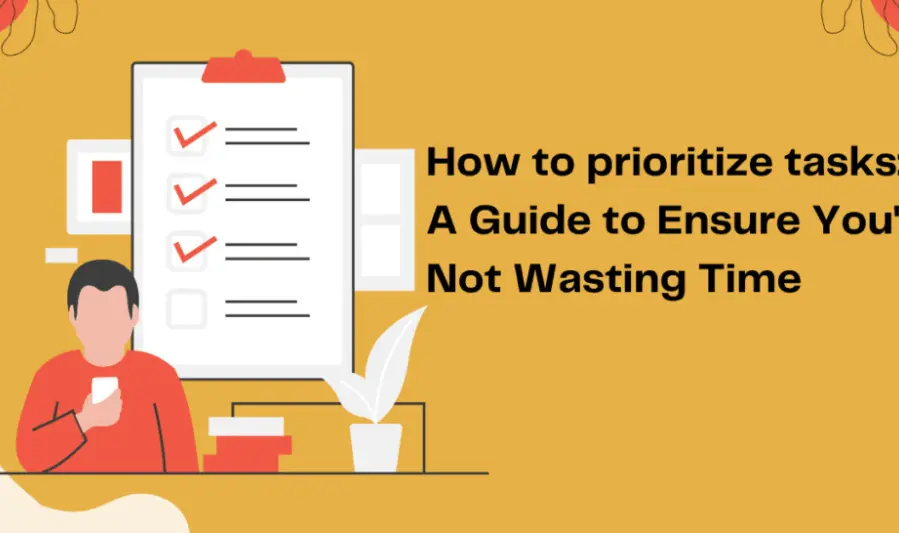
Efficient task prioritization is key to managing your workload without feeling overwhelmed.
Explanation of the Eisenhower Matrix
The Eisenhower Matrix, also known as the Urgent-Important Matrix, helps you categorize tasks into four quadrants based on urgency and importance:
- Urgent and Important: Tasks that require immediate attention (e.g., deadlines, emergencies).
- Important but Not Urgent: Tasks that contribute to long-term goals but don’t require immediate action (e.g., planning, skill development).
- Urgent but Not Important: Tasks that demand quick action but may not impact your key objectives (e.g., interruptions, some emails).
- Neither Urgent nor Important: Low-priority tasks or distractions (e.g., social media, trivial activities).
How to Distinguish Between Urgent vs. Important Tasks
- Urgent tasks require immediate action and often come with deadlines.
- Important tasks align with your goals and values, contributing to meaningful progress.
- Avoid letting urgent but less important tasks dominate your time at the expense of important work.
Examples of Task Prioritization in Daily Life
- Studying for an upcoming exam (Urgent and Important) versus organizing your study materials (Important but Not Urgent).
- Responding to a critical work email (Urgent and Important) versus attending a non-essential meeting (Urgent but Not Important).
- Browsing social media during work hours (Neither Urgent nor Important).
Time Management Techniques
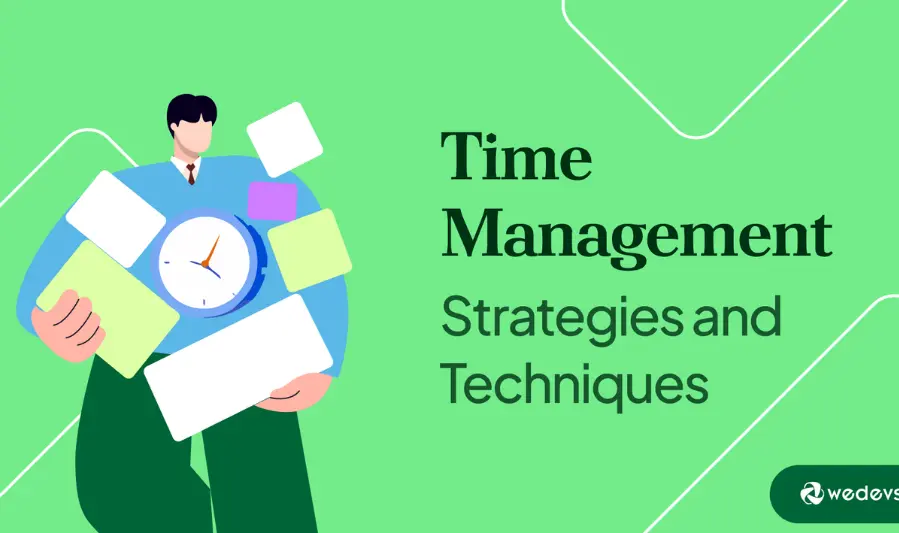
Mastering your time is crucial for boosting productivity. Two popular methods—Pomodoro Technique and Time Blocking—can help you stay focused and organized.
3.1 Pomodoro Technique
How It Works:
- Work in focused intervals, typically 25 minutes, called “Pomodoros.”
- After each Pomodoro, take a short 5-minute break.
- After completing four Pomodoros, take a longer break of 15–30 minutes.
Benefits:
- Enhances concentration by breaking work into manageable chunks.
- Prevents burnout by encouraging regular breaks.
- Helps track productivity and maintain motivation.
3.2 Time Blocking
How It Works:
- Allocate specific blocks of time in your schedule for different tasks or activities.
- Include dedicated breaks and buffer time to avoid overloading.
- Use calendars or planners to visually organize your day.
Benefits:
- Reduces multitasking and distractions by focusing on one task at a time.
- Creates a structured routine, making it easier to manage busy schedules.
- Helps balance work, meetings, and personal time effectively.
Goal Setting Strategies
Setting clear and achievable goals is vital for maintaining focus and motivation in both studies and work.
Understanding SMART Goals
SMART is an acronym that helps create effective goals:
- Specific: Clearly define what you want to accomplish.
- Measurable: Establish criteria to track progress.
- Achievable: Set realistic and attainable objectives.
- Relevant: Ensure goals align with your broader aspirations.
- Time-bound: Set a deadline to create a sense of urgency.
How to Set Realistic and Motivating Goals
- Break larger goals into smaller, manageable tasks.
- Focus on goals that inspire you and reflect your values.
- Avoid setting too many goals at once to prevent overwhelm.
Tracking Progress and Celebrating Milestones
- Use journals, apps, or spreadsheets to monitor your advancement.
- Regularly review and adjust your goals as needed.
- Celebrate small wins to maintain motivation and momentum.
Minimizing Distractions
Staying focused is one of the biggest productivity challenges in today’s always-connected world. Reducing distractions can significantly boost the quality and efficiency of your work or study time.
Identifying Common Distractions
For students:
- Social media and messaging apps
- Background noise or interruptions at home
- Multitasking during study sessions
For professionals:
- Constant email notifications
- Unscheduled meetings or calls
- Cluttered digital or physical workspace
Tips for Creating a Distraction-Free Workspace
- Designate a dedicated work/study area that’s clean, quiet, and separate from relaxation spaces.
- Use noise-canceling headphones or ambient background music (like white noise or instrumental playlists).
- Turn off non-essential notifications and set your phone to “Do Not Disturb” mode.
- Set clear boundaries with those around you during focused work hours.
Recommended Apps and Tools for Focus
- Forest – Stay off your phone by growing a virtual tree while you focus.
- Focus@Will – Music scientifically designed to improve concentration.
- Cold Turkey – Blocks distracting websites and apps for scheduled periods.
- Todoist or Notion – Organize tasks and stay on track with clean, distraction-free interfaces.
- Freedom – Blocks internet distractions across all your devices.
Planning and Organization
Effective planning is the backbone of productivity. When you organize your tasks and time in advance, you reduce stress and gain clarity over your priorities.
Importance of Planning the Day/Night Before
- Pre-planning saves time in the morning and helps you start with purpose.
- It reduces decision fatigue by giving you a clear action plan for the day ahead.
- Reviewing upcoming tasks before bed allows your brain to mentally prepare.
Tip: End each day by writing down your top 3 priorities for tomorrow.
Using Planners, To-Do Lists, and Digital Calendars
- Planners: Great for daily, weekly, and monthly overviews—ideal for visual learners.
- To-Do Lists: Use tools like Todoist, Notion, or a simple notebook to list and track tasks.
- Digital Calendars: Google Calendar, Outlook, and Apple Calendar help schedule time blocks, deadlines, and reminders.
Pro Tip: Color-code tasks by category (e.g., school, work, personal) for clarity and balance.
Prioritizing Tasks Based on Deadlines and Impact
- Focus first on high-impact tasks that align with your goals or have tight deadlines.
- Use the 80/20 rule: 80% of results often come from 20% of tasks—identify and prioritize those.
- Reassess your list regularly to adjust for changes and avoid letting low-priority tasks steal time.
you may also like to read these posts:
Comparing Group Study and Self Study: Benefits and Best Uses
Best Business Computers in 2025: Performance & Reliability
Powerful & Compact: Best Portable Mini PCs for
Exploring Different Types of Online Learning Platforms
Streetwear Reloaded: The Freshest Looks of the Year
Task Batching and Multitasking Myths
To boost productivity, it’s important to work smarter—not harder. Task batching helps streamline your workflow, while understanding the pitfalls of multitasking can help you avoid unnecessary mental fatigue.
Benefits of Batching Similar Tasks
Task batching involves grouping similar tasks and completing them in dedicated time blocks. This minimizes context-switching and helps you stay in a focused “flow” state.
Key benefits:
- Saves mental energy by reducing the need to constantly switch gears
- Increases efficiency by allowing you to stay in the same mindset
- Helps with time management by blocking out distractions
Why Multitasking Reduces Productivity
Despite being a common habit, multitasking often hurts rather than helps.
Why it doesn’t work:
- The brain can only focus on one cognitive task at a time, so multitasking results in slower performance and more errors
- Constant task-switching increases mental fatigue and stress
- It leads to shallow work rather than deep, focused output
Example: Replying to emails while writing a report might seem efficient, but it typically takes longer and reduces the quality of both tasks.
Practical Examples of Effective Task Batching
- Emails: Set two specific times a day (e.g., 10 AM and 3 PM) to check and respond, rather than constantly throughout the day.
- Content Creation: Write multiple blog posts, social media captions, or reports in one sitting when you’re in a creative flow.
- Meetings/Calls: Schedule meetings back-to-back rather than scattered throughout the day to protect large blocks of deep work time.
- Errands: Combine all errands or administrative tasks into one trip or session to save time and mental energy.
Health and Well-being’s Role in Productivity
True productivity isn’t just about time management—it’s also about taking care of your body and mind. When your health is prioritized, your energy, focus, and efficiency naturally improve.
The Impact of Sleep, Nutrition, and Exercise
- Sleep: Quality rest enhances memory, focus, and decision-making. Aim for 7–9 hours of consistent, uninterrupted sleep.
- Nutrition: Balanced meals stabilize energy and mood. Include whole foods, lean protein, healthy fats, and complex carbs.
- Exercise: Regular physical activity boosts brain function, relieves stress, and improves stamina—even a short daily walk makes a difference.
Tips for Maintaining Energy and Mental Clarity
- Stay hydrated throughout the day—dehydration leads to fatigue and reduced focus.
- Limit sugar and caffeine spikes; opt for slow-releasing energy sources like oats, nuts, and fruit.
- Include short brain breaks (5–10 minutes) between focused work sessions to reset your mind.
Importance of Breaks and Relaxation
- Breaks prevent burnout by giving your brain time to recharge.
- Use techniques like the Pomodoro method to structure work and rest.
- Incorporate moments of calm—like stretching, deep breathing, or walking—to maintain mental clarity and reduce stress.
Faqs:
What is the best productivity hack for busy students?
Using the Pomodoro Technique is highly effective for students. It breaks study time into focused intervals with short breaks, helping maintain concentration and reduce fatigue.
How can working professionals manage distractions during work hours?
Create a distraction-free workspace, turn off non-essential notifications, and use focus apps like Forest, Freedom, or Cold Turkey to block distracting websites and apps.
Can productivity hacks really help with time management?
Yes! Hacks like time blocking, task prioritization, and daily planning can significantly improve how you manage your time, helping you get more done in less time.
How do I stay productive when I feel overwhelmed?
Start by breaking tasks into smaller, manageable steps, use prioritization tools (like the Eisenhower Matrix), and take regular breaks to reset your mind.
Are productivity apps actually useful?
Absolutely. Apps like Todoist, Notion, Trello, and Google Calendar help track tasks, set reminders, and keep your workflow organized across devices.
Conclusion
Boosting productivity doesn’t require drastic changes—it’s about adopting smart, manageable habits that make your day more focused and efficient. Whether you’re a student juggling assignments or a working professional managing deadlines, these productivity hacks can help you stay organized, reduce stress, and achieve more with less effort. Start small, stay consistent, and remember: productivity is not about doing more, it’s about doing what matters most—better.