
Introduction
In recent years, minimalism has emerged as a powerful movement in the world of fashion. Characterized by clean lines, simple silhouettes, and a focus on quality over quantity, minimalism challenges the excess and clutter often associated with mainstream trends. As our lives become increasingly fast-paced and consumer-driven, more people are turning to minimalist fashion as a way to simplify their wardrobes, reduce decision fatigue, and embrace sustainability.
This post will explore why minimalism is gaining popularity in today’s hectic world and how it offers a refreshing alternative to fast fashion. You’ll learn about the core principles of minimalist style, the benefits it brings, and practical tips for adopting a minimalist approach to your own wardrobe.
Understanding Minimalism in Fashion
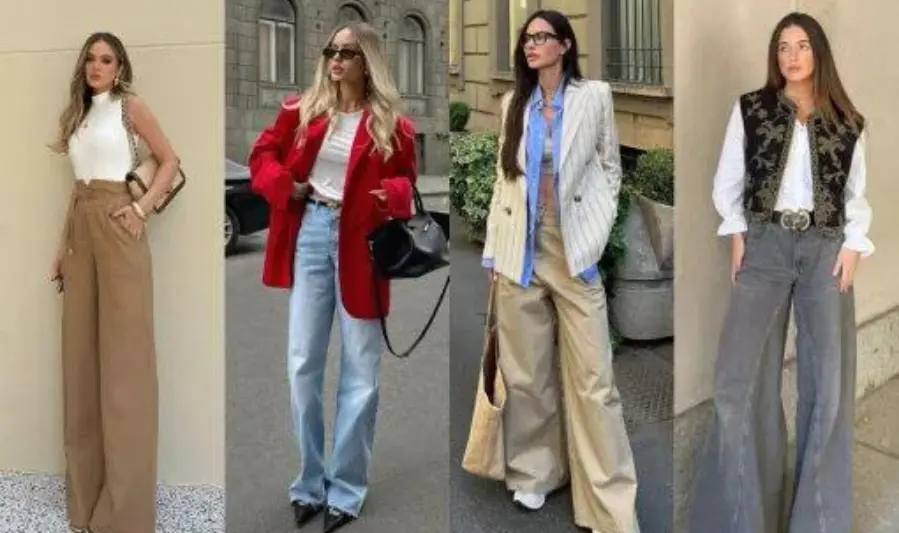
Minimalism in fashion is more than just a style—it’s a mindset that emphasizes simplicity and intentionality in what we wear. At its core, minimalism means stripping away the unnecessary and focusing on pieces that are timeless, functional, and versatile. Rather than following fleeting trends, minimalist fashion values quality over quantity and promotes thoughtful choices that align with personal needs and values.
The core principles of minimalist fashion include:
- Simplicity: Clean lines, neutral colors, and understated designs create a look that is effortlessly elegant and easy to style.
- Functionality: Every item in a minimalist wardrobe serves a clear purpose, ensuring practicality without sacrificing aesthetics.
- Versatility: Minimalist pieces are designed to mix and match seamlessly, maximizing outfit possibilities with fewer garments.
Minimalism in fashion also ties closely to the broader lifestyle movement of mindful consumption—where people seek to reduce excess, avoid waste, and focus on meaningful experiences over material possessions. By embracing minimalism, individuals not only curate more intentional wardrobes but also contribute to a more sustainable and conscious way of living.
Key Minimalism Fashion Trends in 2025
As minimalism continues to shape the fashion landscape in 2025, several defining trends have emerged that embody the movement’s core values:
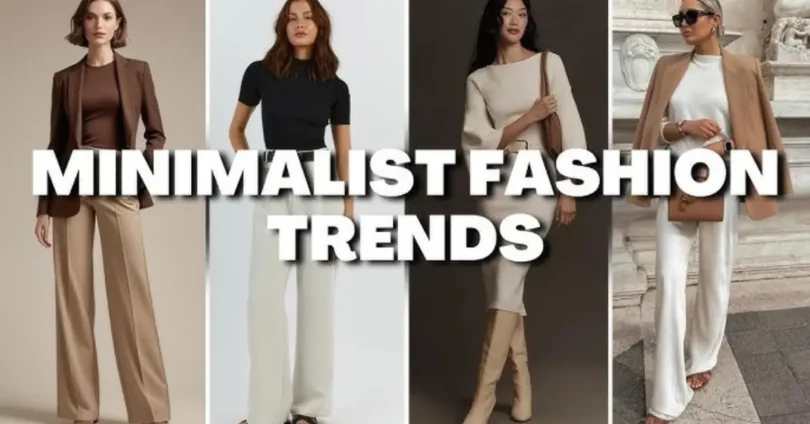
- Neutral and Monochrome Color Palettes: Soft tones like beige, ivory, gray, and muted earth colors dominate minimalist wardrobes, creating a calm and cohesive look that’s easy to mix and match.
- Clean Silhouettes and Simple, Structured Cuts: Clothing features streamlined shapes with precise tailoring, avoiding unnecessary frills or overly complex designs. The focus is on garments that flatter without overwhelming.
- High-Quality, Durable Fabrics: Sustainability is key, so materials like organic cotton, linen, wool, and recycled fabrics are favored for their longevity and timeless appeal.
- Functional and Multipurpose Clothing Items: Pieces are designed to serve multiple purposes—think a blazer that works for both office meetings and casual outings, or dresses that transition seamlessly from day to night.
- Subtle Details Over Loud Embellishments: Minimalist fashion favors understated accents, such as tonal stitching or discreet buttons, instead of flashy logos or heavy decorations.
- Minimal Accessories: Accessories are kept simple and elegant. Delicate jewelry, classic bags, and versatile shoes complement the outfit without detracting from its clean aesthetic.
These trends reflect a growing desire for intentional style choices that prioritize longevity, adaptability, and a refined sense of beauty in simplicity.
The Benefits of Minimalist Fashion
Adopting a minimalist approach to fashion offers a range of practical and meaningful benefits:
- Time-saving: With a curated wardrobe of versatile, timeless pieces, choosing what to wear each day becomes simpler and faster, reducing decision fatigue and streamlining your routine.
- Cost-efficiency: Investing in fewer, higher-quality items means you spend less overall and avoid the cycle of constant, impulsive purchases. Minimalism encourages buying smarter, not more.
- Environmental Impact: By reducing waste and overconsumption, minimalist fashion supports sustainable practices. Fewer purchases and durable materials help decrease the environmental footprint of your wardrobe.
- Timeless Style: Minimalist pieces are designed to transcend fleeting trends and seasons, offering a classic aesthetic that remains relevant year after year, ensuring long-term value.
- Promoting Self-Expression Through Simplicity: Minimalism isn’t about limiting creativity—it’s about highlighting your unique style with clean, intentional choices. Simplicity creates a powerful canvas to express personality without distraction.
In embracing minimalist fashion, you not only enhance your personal style but also contribute positively to your lifestyle and the planet.
Building Your Minimalist Wardrobe

Creating a minimalist wardrobe is about thoughtful curation and intentional choices. Here’s how to start building your own:
1. Declutter and Organize:
Begin by assessing your current wardrobe. Remove items that no longer fit, you rarely wear, or don’t align with your style goals. Organize what remains by category and color to clearly see what you have and identify gaps.
2. Choose Versatile Basics and Statement Minimalist Pieces:
Focus on wardrobe staples like well-fitting white shirts, tailored trousers, classic jeans, and simple dresses that can be styled in multiple ways. Complement these with statement minimalist items—like a structured blazer or a sleek coat—that elevate your look while maintaining simplicity.
3. Prioritize Fabric Choices:
Opt for natural, sustainable fabrics such as organic cotton, linen, wool, and Tencel. These materials are not only eco-friendly but also durable and comfortable, ensuring your pieces last longer and feel better.
4. Master Mixing and Matching:
Minimalism thrives on versatility. Select items that easily pair together to create a variety of outfits. Stick to a cohesive color palette, primarily neutrals and monochromes, to maximize compatibility and create effortless looks.
5. Explore Recommended Brands and Designers:
Several brands are celebrated for their commitment to minimalist aesthetics and sustainable practices. Consider exploring designers like COS, Everlane, The Row, or Acne Studios, known for clean designs, quality materials, and ethical production.
By following these steps, you can build a streamlined wardrobe that supports your lifestyle, reduces clutter, and expresses your personal style with elegance and ease.
Minimalism and Sustainability
Minimalism and sustainability go hand in hand, making minimalist fashion a natural ally of the growing movement toward more responsible consumption.
1. Supporting Sustainable Fashion Practices:
Minimalism encourages buying fewer, better-quality items, which directly challenges the wasteful nature of fast fashion. By prioritizing longevity over trends, minimalist wardrobes reduce the demand for mass-produced clothing and help decrease textile waste.
2. Emphasizing Ethical Production and Eco-Friendly Materials:
Minimalist fashion often favors brands that value transparency, ethical labor practices, and sustainable materials. From organic cotton and recycled fabrics to low-impact dyes and plastic-free packaging, these choices minimize harm to the environment and promote fair treatment of workers.
3. Embracing Slow Fashion:
Slow fashion is a movement that complements minimalist ideals perfectly. It advocates for thoughtful design, small-batch production, and mindful consumption. By choosing timeless styles made to last, consumers support a fashion system that values quality, ethics, and environmental responsibility over speed and excess.
Minimalism isn’t just about how your wardrobe looks—it’s about making conscious choices that reflect care for people and the planet. In embracing this philosophy, you’re not only simplifying your life but also contributing to a more sustainable future.
Minimalism in Different Fashion Segments
Minimalism is no longer confined to a single category—it has seamlessly integrated into every corner of the fashion world. From everyday outfits to high-end collections, the minimalist aesthetic continues to influence design across styles and functions.
1. Casual Wear vs. Workwear:
In casual wear, minimalism shows up through relaxed fits, neutral tones, and effortless layering—think plain tees, straight-leg jeans, and lightweight jackets. For workwear, it translates into structured tailoring, crisp button-downs, and refined separates that offer both professionalism and versatility. The shared principle? Clean lines and fuss-free styling.
2. Minimalist Trends in Accessories and Footwear:
Accessories are kept intentionally subtle. Instead of flashy logos or bold embellishments, minimalist bags, shoes, and jewelry focus on form and material—leather crossbody bags, sleek white sneakers, gold hoop earrings, or thin chain necklaces. The goal is to complement the outfit without overpowering it.
3. Activewear and Loungewear:
Even performance and comfort-driven fashion have embraced minimalism. Activewear brands now favor sleek, monochromatic sets, smooth textures, and thoughtful design that blends function with modern simplicity. Similarly, loungewear emphasizes soft, breathable fabrics in understated colors for a calm, elevated at-home look.
4. Influence on High Fashion and Designer Collections:
Minimalism has long influenced high fashion, from the 1990s Calvin Klein era to modern designers like Phoebe Philo (formerly of Céline) and The Row. In 2025, many luxury brands continue to embrace minimalist principles—favoring subtle luxury, expert tailoring, and quiet elegance over maximalist spectacle.
Across all fashion segments, minimalism proves to be more than a passing trend—it’s a lasting approach that champions clarity, quality, and intentional style.
you may also like to read these posts:
Comparing Group Study and Self Study: Benefits and Best Uses
Best Business Computers in 2025: Performance & Reliability
Powerful & Compact: Best Portable Mini PCs for
Exploring Different Types of Online Learning Platforms
Challenges and Misconceptions About Minimalist Fashion
While minimalist fashion continues to gain popularity, it also faces several misconceptions that can make it seem unapproachable or misunderstood. Here are some of the most common myths—and the truth behind them:
1. “Minimalism is Boring.”
One of the biggest misconceptions is that minimalist fashion lacks personality or creativity. In reality, minimalism is about intentionality, not blandness. With thoughtful styling, texture play, layering, and subtle details, minimalist outfits can be incredibly expressive, elegant, and unique—without being loud.
2. “Minimalism is Only for the Wealthy.”
Another myth is that minimalist fashion is expensive. While some minimalist brands do invest in high-quality materials, minimalism ultimately promotes buying less, not spending more. Building a capsule wardrobe with versatile basics can actually save money over time compared to frequently buying trendy, disposable pieces.
3. “Minimalism is Too Restrictive.”
Some people worry that minimalist fashion limits self-expression or style variety. But minimalism doesn’t mean following a rigid rulebook. Instead, it encourages you to define your own essentials and aesthetic. Whether your version includes bold tailoring, soft silhouettes, or a splash of color, minimalism can be tailored to fit your lifestyle.
4. How to Personalize Minimalist Style:
Personalization is key to keeping minimalist fashion fresh and authentic. You can:
- Play with different textures (e.g., denim, wool, silk) to add depth.
- Choose a signature color or silhouette that suits your body and personality.
- Incorporate subtle prints or statement accessories that align with your aesthetic without overwhelming it.
Minimalist fashion isn’t about limitation—it’s about clarity, purpose, and creating a wardrobe that reflects you, minus the excess.
Faqs:
What is minimalist fashion?
Minimalist fashion focuses on simplicity, clean lines, and functionality. It involves wearing fewer, high-quality pieces in neutral tones that can be styled in multiple ways, avoiding unnecessary trends or excessive accessories.
How do I start building a minimalist wardrobe?
Start by decluttering your current wardrobe, keeping only items you truly wear and love. Then, invest in timeless basics such as neutral tops, well-fitted jeans, and classic outerwear. Focus on quality, comfort, and versatility.
Is minimalist fashion the same as boring or plain?
Not at all. While minimalist fashion avoids loud patterns and bold trends, it celebrates elegance, structure, and thoughtful design. You can still express personality through textures, layering, and small details like tailored cuts or subtle accessories.
Does minimalist fashion help the environment?
Yes. Minimalist fashion encourages buying less and choosing better, which reduces textile waste, overproduction, and the demand for fast fashion. It often overlaps with sustainable and ethical fashion values.
What are the key colors in minimalist fashion?
Neutral tones dominate minimalist wardrobes. Common colors include white, black, beige, grey, navy, and muted earth tones. These shades mix and match easily, allowing for versatile and timeless outfits.
Conclusion
Minimalism in fashion isn’t just about having fewer clothes — it’s about making intentional choices that reflect your personal style, values, and lifestyle. As trends come and go, minimalist fashion remains timeless, offering a sense of clarity and calm in a cluttered world.
By embracing neutral palettes, quality pieces, and simple silhouettes, you’re not only refining your wardrobe but also contributing to a more sustainable and mindful approach to fashion. Whether you’re just starting your minimalist journey or refining your existing style, minimalism proves that less truly can be more.