
Introduction
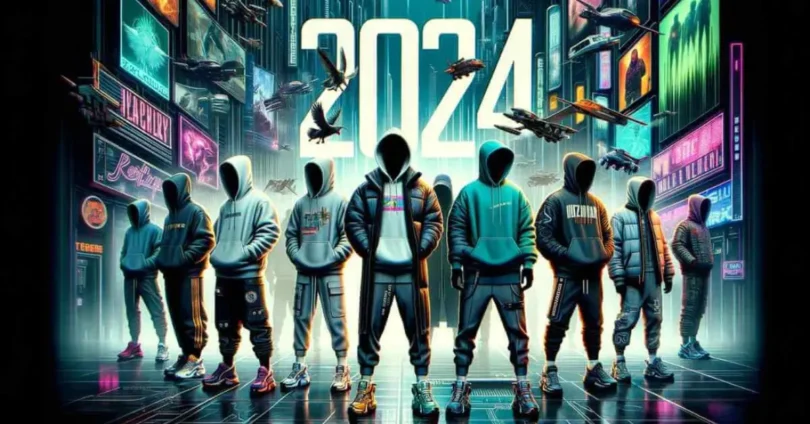
Streetwear has its roots deeply embedded in the rebellious energy of skate culture, hip-hop, and youth movements that emerged in the late 20th century. Originally a niche style born from urban communities, it combined comfort, attitude, and self-expression—quickly capturing the spirit of generations looking to challenge the mainstream.
Over the decades, streetwear has evolved beyond its underground origins to become a dominant force in global fashion. What was once limited to local scenes now influences luxury designers, runway collections, and mainstream apparel, blending cultural authenticity with high-end innovation.
In this post, we’ll dive into the key trends shaping streetwear in 2025—exploring how the movement continues to redefine style, creativity, and cultural influence in today’s fast-changing fashion landscape.
Oversized and Relaxed Fits

One of the defining trends in streetwear for 2025 is the continued popularity of oversized and relaxed silhouettes. This style embraces comfort and a laid-back attitude, offering freedom of movement and a bold, statement-making presence.
Popular items include oversized hoodies that drape effortlessly, wide-leg pants that create a casual yet stylish profile, and boxy tees that emphasize volume and ease. These pieces are often layered or paired with fitted items to create balanced, dynamic looks.
The trend draws heavy inspiration from the 90s and early 2000s fashion, when streetwear first began making waves. This nostalgic revival taps into the era’s relaxed approach to dressing, combining it with modern fabrics and cuts for a fresh, contemporary feel.
Techwear and Utility Aesthetics
Techwear is a futuristic streetwear trend defined by its focus on performance, functionality, and innovative design. Key features include the use of high-tech, weather-resistant fabrics like Gore-Tex, modular elements that allow for customization, and sleek, often monochromatic color schemes that emphasize practicality without sacrificing style.
Alongside techwear, utility fashion is experiencing a major resurgence. Iconic pieces like cargo pants with multiple pockets, tactical vests, and multi-pocket jackets combine military-inspired design with everyday wearability. These items prioritize storage and versatility, blending seamlessly into urban lifestyles.
The appeal of techwear and utility aesthetics lies in their perfect balance of function and fashion—offering gear that’s ready for anything while making a bold style statement. This fusion resonates strongly with modern urban dwellers who value adaptability and innovation in their wardrobes.
Vintage and Y2K Revival
The nostalgia for late 90s and early 2000s streetwear is fueling a major revival in 2025. This trend celebrates the bold, playful styles of the era with a modern twist, bringing back iconic pieces that defined youth culture at the turn of the millennium.
Popular throwback items include relaxed track pants, classic denim with distinctive washes, and retro sneakers from brands like Nike, Adidas, and Reebok. These pieces are often mixed with contemporary staples to create fresh, eclectic outfits that honor the past while staying relevant today.
Thrifting and secondhand shopping play a crucial role in this revival, as fashion enthusiasts hunt for authentic vintage finds and sustainable alternatives to fast fashion. The rise of resale platforms and local vintage shops has made it easier than ever to participate in this nostalgic trend responsibly.
Graphic Tees and Statement Prints
Self-expression lies at the heart of streetwear, and graphic tees are one of its most powerful tools. Bold logos, striking slogans, and eye-catching artwork transform simple tees into wearable statements that communicate identity, beliefs, and cultural connections.
In 2025, collaborations between streetwear brands and local artists or creatives are becoming increasingly popular. These partnerships bring fresh, authentic designs to the forefront, blending community voices with fashion in a meaningful way.
The influence of music, social movements, and internet culture is also unmistakable in this trend. From politically charged messages to references to viral memes and underground music scenes, graphic tees capture the pulse of contemporary culture—making them not just clothing but conversation starters.
Graphic Tees and Statement Prints
Self-expression remains one of the cornerstones of streetwear culture, and graphic tees serve as one of the most accessible and impactful ways to convey individuality and message. Whether through bold logos, provocative slogans, or intricate artwork, these tees transform everyday garments into powerful canvases for storytelling and identity.
In 2025, graphic tees have evolved beyond just brand logos—they are now vibrant platforms for collaboration with local artists, illustrators, and creatives. These partnerships infuse fresh perspectives and cultural authenticity into designs, fostering community engagement and supporting grassroots creativity. Limited-edition drops featuring hand-drawn artwork or socially conscious themes add an exclusive edge that resonates deeply with fans.
The inspiration behind graphic tees often draws from a wide array of influences:
- Music: Hip-hop, punk, and alternative scenes continue to shape imagery and messaging, with band logos and album art frequently making appearances.
- Social Movements: Streetwear acts as a voice for activism, with tees boldly promoting causes such as racial justice, climate action, and mental health awareness.
- Internet Culture: Memes, viral slogans, and digital aesthetics permeate designs, reflecting the rapid cultural shifts driven by online communities.
What sets graphic tees apart is their ability to make a statement while remaining versatile. Paired with jeans, layered under jackets, or styled with statement accessories, these tees help wearers communicate who they are and what they stand for in a world hungry for authenticity.
Moreover, the trend taps into a growing desire for fashion that is not only stylish but meaningful—allowing streetwear enthusiasts to wear their beliefs, passions, and humor on their sleeves, quite literally.
Sustainable Streetwear
As awareness of environmental and social issues grows, the demand for sustainable streetwear has surged in 2025. Consumers are increasingly seeking out brands that prioritize eco-conscious practices without compromising the style and authenticity that define streetwear culture.
Sustainable streetwear often features the use of recycled, organic, or upcycled materials—think organic cotton tees, recycled polyester hoodies, and accessories made from repurposed fabrics. These choices reduce waste, lower carbon footprints, and promote a circular fashion economy.
Beyond materials, ethical production is a critical factor. Many consumers now support brands committed to fair labor practices, transparent supply chains, and minimal environmental impact. This shift reflects a broader movement toward mindful consumption, where style meets responsibility.
Several streetwear brands have emerged as leaders in sustainability, blending cutting-edge design with green innovation. Notable examples include:
- Patta: Known for its community-driven ethos and sustainable capsule collections.
- A-COLD-WALL*: Combining avant-garde aesthetics with eco-conscious materials.
- PANGAIA: Focused on innovative textiles like bio-based fibers and recycled materials.
- Nudie Jeans: Popular for its organic cotton denim and free repair services.
By choosing sustainable streetwear, consumers contribute to a more ethical and environmentally friendly fashion future—proving that street style and sustainability can go hand in hand.
Sustainable Streetwear
In 2025, sustainable streetwear is no longer just a niche—it’s becoming a vital part of the fashion landscape. As consumers become more conscious of the environmental and social footprint of their purchases, they are demanding brands that not only deliver on style but also on sustainability and ethics.
Material Innovation:
Sustainable streetwear brands are pioneering the use of innovative, eco-friendly materials. Organic cotton, recycled polyester, hemp, and Tencel are becoming staples, reducing reliance on resource-heavy conventional fabrics. Upcycling—transforming discarded garments or fabric scraps into new pieces—is also on the rise, giving waste a new life and unique character. Some brands even experiment with biodegradable textiles and plant-based dyes, pushing the boundaries of sustainable production.
Ethical Manufacturing:
Sustainability extends beyond materials to include fair and transparent production processes. Ethical manufacturing means ensuring safe working conditions, fair wages, and reduced environmental harm in factories. Brands increasingly provide supply chain transparency, allowing consumers to trace how and where their garments were made.
Consumer Awareness and Behavior:
Modern streetwear consumers are savvy and socially aware. Many actively research brands, looking for certifications like GOTS (Global Organic Textile Standard) or Fair Trade, and prefer companies that practice corporate social responsibility. This shift is driving brands to rethink business models—moving from fast fashion cycles to slower, more deliberate product drops, emphasizing quality and longevity.
Community and Cultural Impact:
Sustainable streetwear also embraces its cultural roots, often collaborating with local communities, artisans, and activists. This fosters social sustainability by supporting economic development and preserving cultural craftsmanship.
you may also like to read these posts:
Comparing Group Study and Self Study: Benefits and Best Uses
Best Business Computers in 2025: Performance & Reliability
Powerful & Compact: Best Portable Mini PCs for
Exploring Different Types of Online Learning Platforms
Leading Brands to Watch:
- Patta: Integrates sustainability with community empowerment through eco-friendly capsule collections and collaborations.
- A-COLD-WALL*: Known for pushing design boundaries while incorporating recycled and organic materials.
- PANGAIA: A frontrunner in biotech textiles, including recycled fibers and plant-based dyes, with a strong commitment to transparency.
- Nudie Jeans: Offers organic cotton denim with free repairs and encourages recycling of old jeans, promoting a circular economy.
- VEJA: Renowned for sustainable sneakers made from organic cotton, wild rubber, and recycled materials, focusing on fair trade sourcing.
Challenges and the Road Ahead:
Despite these strides, sustainable streetwear faces challenges. Balancing cost, scalability, and innovation remains tough, especially when competing with fast fashion’s low prices and rapid turnover. However, growing consumer demand and technological advancements are accelerating positive change in the industry.
By embracing sustainable streetwear, fashion enthusiasts are redefining what it means to be stylish in 2025—prioritizing planet and people without sacrificing the creativity and attitude central to street culture.
Sneakers and Hype Culture
Sneakers remain the heartbeat of streetwear culture in 2025, continuing to dominate both style and collector communities worldwide. From casual wear to high fashion, sneakers are a symbol of identity, status, and creativity.
Popular Trends:
Chunky soles, also known as “dad sneakers,” maintain their popularity, blending retro appeal with contemporary flair. Collaborations between major sneaker brands and designers, artists, or celebrities create buzzworthy releases that often sell out instantly. Vintage sneaker revivals bring back iconic silhouettes from the 80s, 90s, and early 2000s, tapping into nostalgia while appealing to new generations.
The Hype Cycle:
At the core of sneaker culture is the hype cycle—a phenomenon fueled by limited-edition drops, scarcity, and exclusivity. Brands like Nike, Adidas, and New Balance strategically release limited quantities, sparking intense demand. This drives a vibrant resale market where prices often soar above retail, creating both opportunities and controversies around accessibility.
The hype culture transforms sneakers from mere footwear into coveted collector’s items and cultural artifacts. This exclusivity fuels passion among enthusiasts but also raises questions about sustainability and consumerism.
Sneakers are more than just shoes—they are cultural currency in the streetwear world, embodying art, collaboration, and the thrill of the chase.
Sneakers and Hype Culture
Sneakers continue to be the cornerstone of streetwear culture in 2025, acting as much more than just functional footwear—they’re symbols of identity, community, and creative expression. The sneaker scene thrives on innovation, nostalgia, and a carefully cultivated aura of exclusivity that fuels global demand.
Popular Trends:
The chunky sole trend, often called “dad sneakers” or “ugly sneakers,” remains a dominant force. These bold, exaggerated silhouettes combine retro aesthetics with modern technology, appealing to those seeking both comfort and standout style. At the same time, there’s a resurgence of vintage revivals, with brands resurrecting beloved models from the 1980s, 90s, and early 2000s. These throwbacks satisfy nostalgia while also introducing classic designs to younger sneakerheads.
Collaborations are another key driver. Limited-edition partnerships between sneaker brands and artists, musicians, designers, or even unexpected cultural icons create hype and innovation. High-profile collaborations—like Nike x Travis Scott, Adidas x Kanye West, or New Balance x Joe Freshgoods—blend street credibility with artistry, often resulting in iconic releases that sell out within minutes.
The Hype Cycle:
At the core of sneaker culture is the “hype cycle.” This revolves around limited drops, scarcity, and exclusivity, which create intense anticipation and a fervent resale market. Brands release sneakers in small quantities or through surprise drops, keeping demand high and prices even higher on secondary markets. Platforms like StockX and GOAT facilitate this booming resale ecosystem, where rare pairs often sell for multiples of their original retail price.
This hype-driven environment has transformed sneakers into coveted collectibles, often blurring the lines between fashion, art, and investment. However, it also sparks debate around accessibility, sustainability, and consumerism—raising questions about the environmental impact of mass production and the ethics of reselling culture.
Sneakers as Cultural Currency:
Sneakers today are cultural currency—representing a wearer’s taste, status, and connection to subcultures or movements. They’re often released as storytelling vehicles, embedding narratives from music, sports, or social issues. For many, collecting sneakers is a way to participate in a global community bonded by shared passion.
Sustainability Efforts:
In response to growing environmental concerns, some brands are innovating with sustainable materials and production methods. Nike’s “Move to Zero” initiative, Adidas’ use of recycled ocean plastics, and New Balance’s investment in eco-friendly manufacturing reflect a shift toward more responsible sneaker culture. Still, balancing hype-driven demand with sustainability remains a challenge for the industry.
Genderless and Inclusive Fashion
In 2025, streetwear is leading the charge toward more inclusive, gender-neutral fashion. The traditional boundaries between menswear and womenswear are increasingly blurred, with designers and brands embracing fluidity and diversity in their collections.
Fluid Silhouettes and Unisex Collections:
Streetwear now features silhouettes that transcend gender norms—oversized hoodies, relaxed trousers, and versatile outerwear designed to fit a wide range of bodies. Unisex collections prioritize comfort and self-expression over fitting into conventional gender categories, allowing wearers to define their own style on their own terms.
Breaking Traditional Style Boundaries:
This shift challenges the fashion industry’s historical binary thinking, reflecting broader social movements around gender identity and inclusivity. Streetwear’s casual, rebellious spirit makes it a natural platform for experimentation and change, fostering a culture where anyone can participate without being boxed in by outdated expectations.
By championing genderless and inclusive fashion, streetwear continues to evolve as a powerful cultural force—celebrating individuality, diversity, and freedom of expression.
Faqs:
What defines streetwear fashion?
Streetwear is a casual style inspired by skate, hip-hop, and youth culture, characterized by comfortable, bold, and expressive clothing like hoodies, sneakers, graphic tees, and oversized fits.
How can I start incorporating streetwear into my wardrobe?
Begin with staple pieces like graphic tees, hoodies, sneakers, and relaxed-fit pants. Experiment with layering and mixing different textures while keeping comfort and personal style in mind.
What are the key streetwear trends for 2025?
Oversized silhouettes, techwear-inspired utility clothing, vintage Y2K throwbacks, bold graphic prints, sustainable materials, and gender-neutral styles are some of the top streetwear trends this year.
Is streetwear only for young people?
No! Streetwear is a versatile and inclusive style embraced by people of all ages who appreciate urban culture, comfort, and self-expression.
How does streetwear support sustainability?
Many streetwear brands are adopting eco-friendly fabrics, upcycling, and ethical production methods to reduce environmental impact while meeting consumer demand for sustainable fashion.
Conclusion
Streetwear in 2025 is a dynamic fusion of comfort, culture, and creativity. With oversized silhouettes, tech-inspired utility pieces, nostalgic throwbacks, and a strong emphasis on sustainability and inclusivity, streetwear continues to evolve as a powerful form of self-expression. Whether you’re a longtime fan or just getting started, these trends offer endless ways to make your style bold, personal, and future-ready. Embrace the culture, experiment with the looks, and let your streetwear tell your unique story.