
Introduction
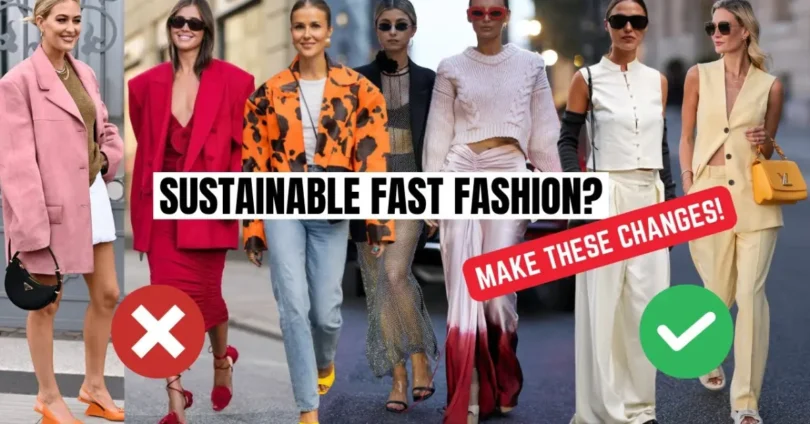
In recent years, the fashion industry has witnessed a significant shift toward sustainability. As awareness of climate change, environmental degradation, and unethical labor practices grows, both brands and consumers are reevaluating the impact of their clothing choices. Fast fashion, once dominant for its affordability and trend-driven appeal, is now under scrutiny for its environmental footprint and social implications.
This growing concern has fueled a movement toward eco-conscious fashion — an approach that prioritizes ethical production, environmentally friendly materials, and long-term wearability. From recycled fabrics to transparent supply chains, sustainable fashion is no longer a niche; it’s becoming a global standard.
In this blog post, we’ll explore the key drivers behind the rise of sustainable fashion, examine what makes a brand truly eco-friendly, and provide practical tips for making more responsible fashion choices. Whether you’re a curious consumer or a conscious shopper, this guide will help you navigate the evolving landscape of sustainable style.
Slow Fashion Over Fast Fashion
What is Slow Fashion?
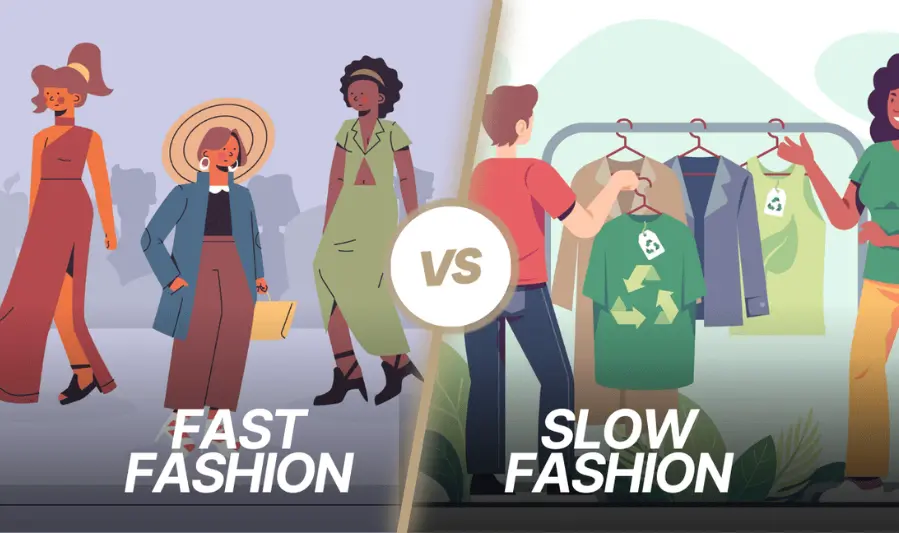
Slow fashion is a movement that encourages thoughtful, ethical, and environmentally responsible approaches to clothing production and consumption. It prioritizes quality over quantity, advocating for garments that are well-made, timeless in design, and crafted with sustainable materials. Key principles include fair labor practices, minimal waste, local sourcing, and a deeper connection between consumers and their clothing.
Slow Fashion vs. Fast Fashion
In contrast, fast fashion thrives on rapid production cycles, low costs, and disposable trends. It pushes consumers to buy more, more often—usually at the expense of environmental and human welfare. While fast fashion garments may be cheap, they often lack durability and come with a hidden cost: pollution, unethical labor, and overconsumption.
Slow fashion, on the other hand, emphasizes mindful purchasing and long-term use. It challenges the “wear it once” mindset by encouraging consumers to invest in fewer, higher-quality pieces that last longer and have less impact on the planet.
A Shift in Consumer Behavior
As awareness of the fashion industry’s impact grows, many consumers are beginning to shift their habits. More people are questioning where their clothes come from, how they are made, and who makes them. This growing consciousness has led to a rise in secondhand shopping, upcycling, capsule wardrobes, and support for sustainable brands.
Brands Leading the Slow Fashion Movement
Several brands are at the forefront of the slow fashion movement, setting new standards for ethical and eco-friendly practices. Companies like Eileen Fisher, People Tree, Patagonia, Veja, and Reformation are known for their commitment to transparency, sustainable materials, and fair labor practices. These brands show that style and sustainability can go hand in hand.
As consumers continue to demand more from the fashion industry, the slow fashion movement offers a powerful alternative—one that values people, the planet, and the true worth of what we wear.
Recycled and Upcycled Materials
As the fashion industry seeks to reduce its environmental footprint, recycled and upcycled materials are becoming essential tools in building a more sustainable future. These innovative practices not only minimize waste but also breathe new life into discarded materials, transforming them into stylish and functional fashion pieces.
Common Recycled Materials in Fashion
Recycled materials are made by breaking down used products and reprocessing them into new fibers. Some of the most commonly used include:
- Recycled polyester (rPET) – Often made from plastic bottles, this material reduces the need for virgin petroleum-based fibers and helps keep plastic waste out of landfills and oceans.
- Recycled cotton – Sourced from pre- or post-consumer textile waste, recycled cotton reduces water usage and energy consumption compared to conventional cotton production.
- Recycled nylon – Typically made from discarded fishing nets, carpet waste, or industrial plastic, recycled nylon is a strong, lightweight material with a significantly lower environmental impact.
What is Upcycling?
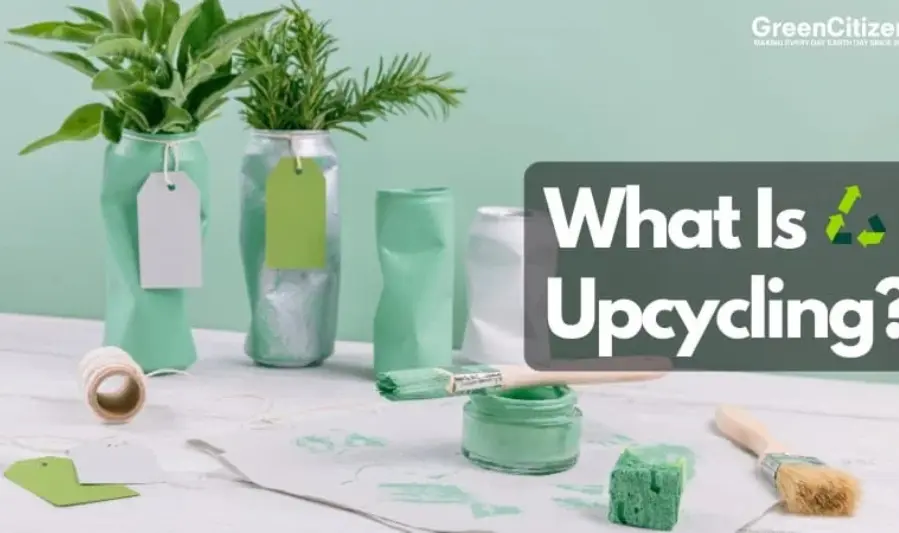
Upcycling takes things a step further by creatively reusing existing materials or garments without breaking them down completely. It’s about transforming old or discarded items into products of higher value or quality. For example, turning vintage jeans into a patchwork jacket or using leftover fabric scraps to make accessories.
Upcycling allows for artistic freedom and unique designs, offering consumers one-of-a-kind items while reducing waste. It also preserves the embedded energy, water, and resources already used to create the original material.
Environmental Benefits
Using recycled and upcycled materials has several key environmental advantages:
- Reduces textile waste going to landfills.
- Lowers carbon emissions associated with raw material extraction and processing.
- Conserves natural resources, such as water, energy, and land.
- Minimizes chemical use, especially in dyeing and treatment processes.
Brands Championing These Practices
Many forward-thinking fashion brands have embraced recycled and upcycled materials as core components of their sustainability strategies:
- Girlfriend Collective – Uses recycled plastic bottles to make stylish activewear.
- Outerknown – Incorporates upcycled fishing nets and other recycled materials in its ocean-conscious designs.
- The R Collective – Partners with luxury brands to upcycle leftover fabrics into limited-edition collections.
- Timbuktu Labs’ brand Thousand Fell – Offers fully recyclable sneakers designed for circular fashion.
- Tonlé – A zero-waste brand that uses fabric scraps from larger factories to create new garments.
By choosing clothing made from recycled or upcycled materials, consumers can actively support a fashion system that values resource efficiency, innovation, and sustainability.
Minimalism and Capsule Wardrobes
In a world of ever-changing trends and overstuffed closets, minimalism in fashion offers a refreshing alternative. At the heart of this approach lies the capsule wardrobe—a curated collection of essential clothing pieces designed to be timeless, versatile, and functional.
What is a Capsule Wardrobe?
A capsule wardrobe consists of a limited number of high-quality, interchangeable items that reflect your personal style and meet your day-to-day needs. Typically made up of 25–50 pieces (including clothing, shoes, and accessories), the goal is to have everything work well together so you can create multiple outfits from fewer items.
Benefits of a Capsule Wardrobe
- Simplicity: A smaller wardrobe reduces decision fatigue, saves time getting dressed, and brings clarity to your style.
- Reduced Consumption: By focusing on quality over quantity, you avoid unnecessary purchases and reduce your fashion footprint.
- Versatility: Carefully selected pieces can be mixed and matched easily, making your wardrobe more adaptable to different occasions and seasons.
- Sustainability: Buying less and choosing well contributes to a more eco-conscious lifestyle, aligning with the principles of slow fashion.
How to Start Building a Minimalist Wardrobe
- Assess What You Own: Take inventory of your current wardrobe. Identify your most-worn and loved items—and let go of pieces that no longer serve you.
- Define Your Style & Needs: Consider your lifestyle, color preferences, and favorite silhouettes. Choose a neutral base and add a few accent colors or patterns.
- Invest in Quality Staples: Look for durable, well-made items like a classic white shirt, tailored trousers, a versatile blazer, or a good pair of jeans.
- Choose Multi-Use Pieces: Prioritize clothing that can transition between casual, work, and formal settings.
- Maintain and Evolve: A capsule wardrobe isn’t static. Reevaluate each season, replace worn items responsibly, and adapt to lifestyle changes.
The Influence of Minimalist Fashion Aesthetics
Minimalist fashion isn’t just about having fewer clothes—it’s a style in itself. Clean lines, neutral tones, and timeless silhouettes define this aesthetic. It rejects fast-moving trends in favor of long-term wearability and thoughtful design.
Influential minimalist brands like COS, Everlane, The Row, and Cuyana embody these principles, offering refined pieces that prioritize craftsmanship and simplicity. Their influence has helped minimalism become not just a wardrobe choice, but a broader lifestyle philosophy rooted in intention and sustainability.
In embracing minimalism and capsule wardrobes, consumers can cultivate a more conscious relationship with fashion—one that favors quality, purpose, and personal expression over excess.
Natural and Organic Fabrics
As sustainability becomes a central focus in fashion, natural and organic fabrics are gaining popularity for their low environmental impact and healthier production processes. These materials are derived from plants or animals and are processed with minimal chemical input, making them safer for both the planet and people.
Eco-Friendly Fabric Options
- Organic Cotton
Grown without toxic pesticides or synthetic fertilizers, organic cotton uses significantly less water and supports healthier soil. It’s soft, breathable, and ideal for everyday wear. - Hemp
One of the most sustainable crops, hemp grows quickly, requires little water, and naturally resists pests—making it chemical-free. It produces a durable, breathable fabric that softens over time. - Bamboo (when processed sustainably)
Bamboo is a fast-growing plant that needs minimal water and no pesticides. When mechanically processed (rather than chemically), it yields a soft, breathable, and biodegradable fabric often called bamboo linen. - Linen (from flax)
Linen is made from flax plants, which require fewer resources than cotton. It’s strong, breathable, naturally antibacterial, and fully biodegradable, making it a summer favorite with minimal environmental cost.
Benefits of Natural and Organic Fabrics
- Biodegradability: These fabrics break down naturally at the end of their life cycle, unlike synthetic fibers that contribute to microplastic pollution.
- Less Water & Energy Usage: Organic farming practices and low-impact processing methods significantly reduce the amount of water and energy used.
- Chemical-Free: Natural fabrics, especially when certified organic, avoid harmful dyes, bleaches, and finishing agents—making them safer for skin and ecosystems.
Certifications to Look For
To ensure you’re buying genuinely eco-friendly textiles, check for these reputable certifications:
- GOTS (Global Organic Textile Standard) – Ensures fabrics are made from certified organic fibers and processed without toxic chemicals, with fair labor practices.
- OEKO-TEX® Standard 100 – Tests for harmful substances in textiles and certifies products that are safe for human use.
- Fair Trade Certified – Indicates fair labor conditions and environmentally conscious production.
- Cradle to Cradle Certified – Assesses products for environmental and social performance throughout their life cycle.
How Natural Fabrics Support Sustainability
Natural and organic fabrics contribute to sustainable fashion by:
- Reducing dependence on fossil fuels used in synthetic fabric production.
- Encouraging regenerative agricultural practices.
- Lowering the release of harmful chemicals into water systems.
- Supporting ethical labor through certified supply chains.
By choosing clothing made from organic cotton, hemp, linen, and responsibly sourced bamboo, consumers support a cleaner, more responsible fashion industry—one that values both environmental preservation and human well-being.
you may also like to read these posts:
Comparing Group Study and Self Study: Benefits and Best Uses
Best Business Computers in 2025: Performance & Reliability
Powerful & Compact: Best Portable Mini PCs for
Exploring Different Types of Online Learning Platforms
Repair, Reuse, and Rental Models
As the fashion industry continues to evolve in response to sustainability challenges, consumers and brands alike are embracing new models that prioritize access over ownership and extend the life of clothing. The principles of repair, reuse, and rental are central to the circular fashion economy, which aims to keep garments in use for as long as possible, reducing waste and conserving resources.
From Ownership to Access: The Rental Revolution
The traditional model of buying, wearing, and discarding clothes is being replaced by a more flexible and sustainable approach: fashion rental. Rental services allow consumers to enjoy high-quality, designer, or occasion-specific clothing without the long-term commitment or environmental cost of ownership.
- Platforms like Rent the Runway, Nuuly, and HURR Collective offer clothing subscriptions or one-time rentals for everything from everyday wear to special events.
- This model reduces demand for new production and encourages a culture of sharing, making fashion more sustainable and affordable.
Reviving Old Favorites: Repair and Reuse
Instead of throwing away damaged or worn clothing, many people are now turning to DIY repairs and brand-led repair programs to extend the life of their garments:
- Simple repairs like mending seams, patching holes, or replacing buttons not only save money but also reduce textile waste.
- Brands such as Patagonia, Nudie Jeans, and The North Face offer free or low-cost repair services, encouraging customers to fix rather than discard their clothes.
- Visible mending has also become a creative and aesthetic statement, blending sustainability with self-expression.
Reuse goes hand-in-hand with repair. Through clothing swaps, thrift stores, and resale platforms like Depop, ThredUp, and Vestiaire Collective, consumers are embracing secondhand fashion as a smart and eco-conscious choice.
Impact on the Circular Fashion Economy
Repair, reuse, and rental practices play a crucial role in building a circular fashion system, which focuses on reducing waste and maximizing the value of materials already in circulation. These strategies:
- Reduce overproduction by decreasing the demand for new garments.
- Lower carbon footprints by minimizing the resources required to manufacture new clothes.
- Prevent clothing from entering landfills, where synthetic fibers can take decades (or longer) to decompose.
- Foster conscious consumption, where consumers view clothes as valuable assets rather than disposable items.
By embracing these models, consumers can break free from the cycle of fast fashion and contribute to a more resilient and responsible industry—one where fashion is not only about style, but also about sustainability, creativity, and care.
Local and Small-Batch Production
In the push toward sustainable fashion, local and small-batch production is gaining momentum as a powerful alternative to mass manufacturing. By supporting local artisans and small businesses, this approach not only fosters economic empowerment but also reduces the environmental impact associated with large-scale production and global shipping.
Supporting Local Artisans and Small Businesses
Choosing locally made garments means investing in the skills and traditions of communities. Small-scale producers often prioritize craftsmanship, quality materials, and ethical labor practices, ensuring that workers are fairly compensated and working conditions are safe. This creates a direct connection between the maker and the consumer, preserving cultural heritage and boosting local economies.
Reduced Carbon Footprint through Local Sourcing
Local production significantly cuts down the carbon emissions linked to transportation and logistics. Unlike fast fashion’s global supply chains that ship raw materials and finished products thousands of miles, small-batch, locally made clothing travels shorter distances, leading to a much smaller environmental footprint.
Quality, Uniqueness, and Storytelling
Small-batch production often results in higher-quality garments with attention to detail and durability that mass production struggles to match. Because quantities are limited, these pieces tend to be unique or limited editions, allowing consumers to express individuality.
Moreover, local brands frequently share the stories behind their products—about the artisans who crafted them, the traditional techniques used, and the sustainable choices made. This storytelling enriches the value of each garment, transforming clothing into meaningful, cherished items rather than disposable trends.
Encouraging Conscious Consumerism
Supporting local and small-batch producers encourages consumers to slow down and make more intentional purchases. It challenges the “buy-and-dispose” mentality by fostering appreciation for the time, effort, and resources that go into creating each piece.
By prioritizing local, small-batch fashion, consumers can help build a more transparent, ethical, and sustainable industry—one that values quality, community, and the planet over mass production and waste.
Digital Fashion and Tech Integration
As technology reshapes every aspect of our lives, the fashion industry is embracing innovative digital solutions that hold promise for a more sustainable future. From virtual garments to AI-driven design, these advancements are revolutionizing how fashion is created, consumed, and experienced—helping to reduce waste and environmental impact along the way.
Digital-Only Clothing: A New Frontier
Digital fashion refers to clothing that exists exclusively in the virtual world—designed for use in gaming, social media, or augmented reality. Instead of producing physical garments, designers create digital outfits that consumers can “wear” online, offering limitless creativity without the resource consumption tied to traditional manufacturing.
- Platforms like The Fabricant and DressX specialize in digital-only fashion, enabling users to style avatars or enhance their online personas sustainably.
- This approach drastically cuts down on fabric waste, water usage, and carbon emissions associated with making and shipping physical clothes.
AI in Sustainable Fashion Design and Forecasting
Artificial Intelligence (AI) is transforming sustainable fashion by improving the design process and supply chain efficiency:
- AI-powered tools can predict trends more accurately, helping brands produce only what’s needed and avoid overproduction.
- Smart algorithms analyze consumer preferences, fabric performance, and environmental data to design eco-friendly collections.
- AI can optimize material usage, reduce waste during cutting, and even suggest sustainable fabric alternatives.
3D Design and Sampling: Cutting Waste Before It Happens
3D design technology enables virtual prototyping, allowing designers to create and test garments digitally before physical production begins:
- Brands can experiment with styles, colors, and fits in a virtual space, reducing the need for multiple physical samples.
- This process saves water, energy, and materials, significantly lowering the carbon footprint of product development.
- Companies like Browzwear and CLO 3D are pioneering these tools to make fashion production more efficient and eco-conscious.
Emerging Technologies Promoting Sustainability
Beyond digital fashion and AI, other technologies are reshaping the industry’s sustainability efforts:
- Blockchain enhances transparency by tracking materials and supply chains, ensuring ethical sourcing and authenticity.
- Smart textiles embedded with sensors can monitor wear and tear, encouraging longer garment use.
- Biotechnology is enabling the creation of lab-grown fabrics and bio-based dyes that reduce environmental impact.
By integrating digital innovations and cutting-edge technology, the fashion industry can reduce waste, enhance creativity, and build a more sustainable future—where style and responsibility go hand in hand.
Faqs:
What is sustainable fashion?
Sustainable fashion refers to clothing, footwear, and accessories that are designed, produced, and consumed in ways that minimize environmental impact and promote ethical labor practices. It focuses on reducing waste, using eco-friendly materials, and supporting fair trade.
How can I make my wardrobe more sustainable?
You can make your wardrobe more sustainable by buying fewer but higher-quality items, choosing clothes made from natural or recycled fabrics, repairing clothes instead of discarding them, and supporting brands that prioritize ethical and eco-friendly practices.
Are sustainable clothes more expensive?
Sustainable clothes can sometimes be more expensive upfront because they use higher-quality materials and ethical production processes. However, investing in durable pieces often saves money in the long run as they last longer and reduce the need for frequent replacements.
What materials are considered sustainable in fashion?
Common sustainable materials include organic cotton, hemp, linen, bamboo, recycled polyester, and Tencel (made from wood pulp). These materials require fewer resources to produce and are often biodegradable or recyclable.
How do fashion rental services contribute to sustainability?
Fashion rental services reduce the demand for new clothing by allowing consumers to rent items for a short period instead of purchasing. This reduces waste, extends the life cycle of garments, and lowers the overall environmental footprint of fashion consumption.
Conclusion:
Sustainable fashion is more than just a trend—it’s a necessary shift toward a healthier planet and a fairer industry. By embracing slow fashion, choosing eco-friendly materials, supporting ethical brands, and adopting mindful consumption habits like repairing and renting, we can all contribute to positive change. Every small step counts, and together, consumers and creators have the power to redefine what it means to be stylish.
As you update your wardrobe or make future fashion choices, remember that true style shines brightest when it’s paired with responsibility. Let your fashion reflect your values, because looking good and doing good can go hand in hand.