
Introduction
Handmade jewelry holds a special place in the world of fashion and personal expression. Unlike mass-produced pieces, each handcrafted item tells a unique story, reflecting the artisan’s skill, creativity, and attention to detail. The charm of handmade jewelry lies in its individuality—every bead, wire twist, and setting is carefully crafted, making each piece one-of-a-kind.
Beyond aesthetics, handmade jewelry allows for personalization that resonates deeply with the wearer, whether it’s a custom engraving, a meaningful gemstone, or a design inspired by personal memories.
In this post, we’ll explore what makes handmade jewelry so special, the benefits of owning personalized pieces, and practical tips on creating or choosing handmade treasures that reflect your style and story.
Essential Tools and Materials for Handmade Jewelry
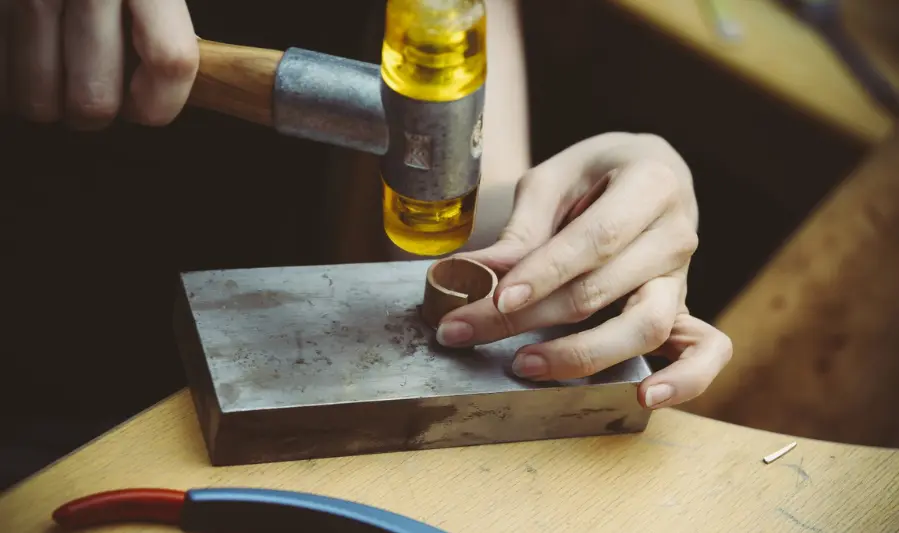
Creating your own handmade jewelry starts with having the right tools and materials. Whether you’re a beginner or looking to expand your kit, here’s a rundown of essentials to get you started:
Basic Tools
- Pliers: A variety of pliers are key, including round-nose (for loops and curves), chain-nose (for gripping and bending), and flat-nose (for holding and flattening).
- Wire Cutters: Essential for cutting wire cleanly and precisely without damaging your materials.
- Beading Needles: Thin, flexible needles designed to thread beads onto stringing materials, especially useful for seed beads and delicate work.
- Crimping Tools: For securing crimp beads when finishing necklaces or bracelets.
- Tweezers: Helpful for picking up small beads or findings with precision.
Popular Materials
- Beads: From glass and gemstone beads to seed beads and pearls, beads are the building blocks of many jewelry designs.
- Wire: Available in various gauges and metals such as copper, silver, and gold-filled wire, used for wrapping, forming, and connecting pieces.
- Polymer Clay: Versatile for sculpting unique charms and beads, with endless possibilities for colors and textures.
- Resin: Allows you to create glossy, durable pieces and encapsulate objects like flowers or glitter for custom designs.
- Leather and Fabric: Used for bracelets, chokers, or mixed-media jewelry, adding texture and an organic feel.
- Findings: Clasps, jump rings, ear wires, and pins that hold your jewelry together and make it wearable.
Tips on Sourcing Quality Supplies
- Shop from reputable bead stores and craft suppliers to ensure you get genuine materials.
- Consider eco-friendly and ethically sourced components when possible, especially with gemstones and metals.
- Buying in small quantities at first helps you test materials without overspending.
- Online marketplaces like Etsy offer unique, handmade components and tools from artisans worldwide.
- Local craft fairs and bead shows can be treasure troves for finding quality supplies and inspiration.
Popular Handmade Jewelry Ideas and Techniques

Handmade jewelry offers endless creative possibilities, with various techniques and materials to suit every style and skill level. Here’s a look at some of the most popular jewelry-making ideas and methods:
Beaded Jewelry
Craft bracelets, necklaces, and anklets by stringing beads in patterns or random mixes. Use seed beads for delicate designs or larger gemstone beads for statement pieces. Beaded jewelry is versatile, easy to customize, and great for beginners.
Wire Wrapping
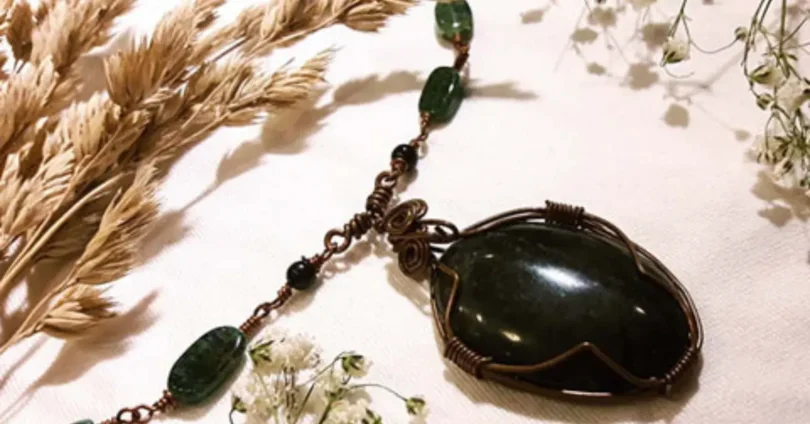
Wire wrapping involves shaping wire around stones, beads, or other components to create rings, pendants, and earrings. This technique requires minimal tools but offers sophisticated results. It’s perfect for making unique frames and settings without soldering.
Polymer Clay Creations
Polymer clay allows you to sculpt colorful, lightweight jewelry pieces like charms, beads, and pendants. Its flexibility lets you experiment with textures, shapes, and patterns, making it ideal for playful, personalized designs.
Resin Jewelry
Use resin to encapsulate small objects—such as flowers, glitter, or photos—within clear or colored molds. Resin jewelry is durable and glossy, perfect for preserving memories or crafting truly one-of-a-kind accessories.
Leather and Fabric Accents
Incorporate leather cords, strips, or fabric ribbons to add texture and a natural feel to your jewelry. These materials are commonly used for bracelets, chokers, or mixed-media pieces, bringing warmth and contrast to metal or bead components.
Personalized Jewelry
Add custom touches with stamping, engraving, or charms. Hand-stamped initials, meaningful dates, or inspirational words make pieces uniquely yours or thoughtful gifts. Charms can be combined to tell personal stories or celebrate milestones.
Step-by-Step Guide: Simple Beaded Bracelet
Making a beaded bracelet is a great entry point into handmade jewelry. It requires minimal tools and materials, and you can customize it to your style.
Materials and Tools Needed
- Stretch cord (elastic beading thread) – about 10 inches
- Assorted beads (glass, gemstone, or acrylic beads) – around 20-25 beads
- Scissors
- Clear jewelry glue (optional, for extra security)
- Bead stopper or small clip (optional, to hold beads in place while stringing)
Instructions
- Measure and Cut the Cord
Cut about 10 inches of stretch cord to allow enough length for tying knots comfortably.
Tip: It’s better to have a little extra than too little. - Prepare the Cord
If you have a bead stopper or small clip, attach it to one end of the cord to prevent beads from sliding off. If not, you can hold the beads as you work. - String Your Beads
Begin sliding beads onto the cord in your desired pattern. You can mix colors, shapes, or stick to a single style.
Tip: Lay out your design beforehand to visualize the pattern. - Check the Length
Once all beads are strung, wrap the bracelet around your wrist to check the fit. Adjust by adding or removing beads as needed. - Tie the Knot
Carefully tie a secure knot with the two ends of the cord. A surgeon’s knot (double knot with an extra loop) works well for elasticity.
Tip: Pull the knot tight but avoid snapping the cord. - Secure the Knot
For extra durability, dab a small amount of clear jewelry glue on the knot. Allow it to dry completely.
Tip: Use a toothpick or a cotton swab to apply glue precisely. - Trim Excess Cord
After the glue has dried, trim any excess cord close to the knot, leaving a tiny bit so it doesn’t unravel. - Hide the Knot (Optional)
If possible, slide the knot inside one of the beads for a polished look. - Wear and Enjoy!
Your handmade beaded bracelet is ready to complement any outfit or be gifted to someone special.
Styling and Wearing Handmade Jewelry
Handmade jewelry brings a unique touch to your wardrobe, allowing you to express your personality through one-of-a-kind pieces. Here’s how to seamlessly incorporate these creations into your everyday looks and special occasions.
How to Mix and Match Handmade Pieces with Your Wardrobe
- Keep It Balanced: Pair bold, colorful handmade jewelry with simpler outfits to let your accessories shine without overwhelming your look.
- Coordinate Colors: Use jewelry colors to complement or accentuate your clothing palette. For example, a necklace with turquoise beads pairs beautifully with earthy tones or denim.
- Layer with Care: Combine delicate handmade rings or bracelets with classic pieces like a gold watch or simple hoops for an eclectic yet cohesive style.
Combining Different Textures and Styles
- Contrast for Interest: Mix smooth metal wire wraps with rough-textured beads or soft fabric elements to add depth to your accessories.
- Play with Scale: Balance chunky statement pieces with finer, minimalist jewelry to avoid a cluttered look. For instance, pair a bold polymer clay pendant with thin stacking rings.
- Mix Metals and Materials: Don’t be afraid to blend metals like silver and gold or combine natural elements such as leather with resin or beads for a modern, layered effect.
Handmade Jewelry as Statement vs Everyday Wear
- Statement Pieces: Use large, colorful, or intricately designed handmade jewelry to elevate evening outfits, special events, or whenever you want to make an impression.
- Everyday Wear: Choose simpler, lightweight pieces like thin stacking rings, small bead bracelets, or subtle wire-wrapped earrings that offer daily comfort and understated charm.
- Versatility: Many handmade items can transition from day to night—consider swapping out chains or adding layers to adapt your look throughout the day.
you may also like to read these posts:
Comparing Group Study and Self Study: Benefits and Best Uses
Best Business Computers in 2025: Performance & Reliability
Powerful & Compact: Best Portable Mini PCs for
Exploring Different Types of Online Learning Platforms
Streetwear Reloaded: The Freshest Looks of the Year
Caring for Your Handmade Jewelry
Handmade jewelry often uses delicate materials and unique techniques, so proper care is essential to preserve its beauty and longevity. Here are some tips on cleaning, storing, and repairing your cherished pieces.
Cleaning Tips for Different Materials
- Beads (Glass, Gemstone, Acrylic): Wipe gently with a soft, damp cloth. Avoid soaking porous stones like turquoise or pearls to prevent damage.
- Wire-Wrapped Jewelry: Use a soft cloth to polish metal wires. Avoid harsh chemicals that may tarnish or weaken the wire. For silver wire, use a silver polishing cloth.
- Polymer Clay: Clean with a damp cloth or mild soap and water. Avoid soaking, as prolonged moisture can affect the finish.
- Resin: Wipe with a soft, dry cloth. Avoid abrasive materials that can scratch the surface.
- Leather and Fabric: Spot clean with a damp cloth and mild soap if necessary. Avoid soaking and keep away from harsh chemicals.
Proper Storage to Maintain Shape and Shine
- Separate Compartments: Store handmade pieces individually or in small pouches to prevent tangling, scratches, or damage from harder materials.
- Avoid Humidity: Keep jewelry in a cool, dry place to prevent tarnishing and fabric deterioration. Use silica gel packets in storage boxes to absorb moisture.
- Lay Flat or Hang: Store delicate wire-wrapped or fabric pieces flat or on jewelry stands to maintain their shape and avoid bending.
- Avoid Sunlight: Prolonged exposure to sunlight can fade colors, especially on polymer clay and fabric components.
Repair Tips for Common Issues
- Broken Strings or Cords: Replace elastic or stringing material promptly to avoid losing beads. Use a secure knot and a dab of glue for extra hold.
- Loose Wire Wrapping: Gently reshape wire with pliers to tighten or secure loose beads or components.
- Tarnished Metal: Use a polishing cloth specifically for the metal type; avoid liquid polishes on delicate or mixed-media pieces.
- Damaged Polymer Clay or Resin: Minor scratches can sometimes be buffed out with very fine sandpaper followed by a polish. For cracks or breaks, consult a professional jeweler or consider creative redesign options like adding new elements.
Selling and Sharing Your Handmade Jewelry
Turning your passion for handmade jewelry into a business or sharing your creations with a wider audience can be rewarding and fulfilling. Here’s a guide on where to sell, how to price, and ways to build your brand.
Platforms to Sell Handmade Jewelry Online
- Etsy: A popular marketplace specifically for handmade and vintage items. Ideal for reaching a global audience passionate about unique crafts.
- Instagram: Great for showcasing your creative process and finished pieces visually. Use Instagram Shopping features to sell directly or direct followers to your online store.
- Local Markets and Craft Fairs: Perfect for face-to-face interaction, feedback, and building a loyal local customer base.
- Other Marketplaces: Sites like ArtFire, Handmade at Amazon, or Facebook Marketplace can also be effective depending on your target audience.
Tips for Pricing and Marketing Your Creations
- Calculate Costs: Include materials, tools, time spent, and overheads. Don’t undervalue your labor or creativity.
- Research the Market: Look at similar products to set competitive yet fair prices. Consider offering tiered pricing for simpler versus complex pieces.
- Professional Photos: High-quality images showcasing details, different angles, and styled shots make your listings stand out.
- Engaging Descriptions: Tell the story behind each piece—what inspired it, materials used, and care instructions—to connect emotionally with buyers.
- Social Media Marketing: Regularly post content, run giveaways, and collaborate with influencers or local businesses to expand your reach.
Building a Brand and Community
- Develop a Cohesive Aesthetic: Consistent visuals and messaging help customers recognize your brand. Consider logos, color palettes, and packaging style.
- Engage with Customers: Respond promptly to inquiries, ask for feedback, and create loyalty programs or newsletters to keep your audience engaged.
- Share Your Story: Authenticity resonates. Share your creative journey, behind-the-scenes looks, and what handmade means to you.
- Network with Other Creators: Collaborations and partnerships can open new opportunities and inspire growth.
Inspiration and Resources
Whether you’re just starting out or looking to deepen your skills, tapping into the right sources of inspiration and education can keep your creativity flowing and your craftsmanship improving.
Recommended Blogs, YouTube Channels, and Books
- Blogs:
- Jewelry Making Journal — tutorials and industry news
- Beadaholique — project ideas and materials guides
- The Spruce Crafts — beginner to advanced jewelry-making tips
- YouTube Channels:
- Beadaholique — detailed video tutorials for various techniques
- JewelryTutorialHQ — clear, step-by-step guides
- CreativeBug — workshops on design and craft skills
- Books:
- The Art of Jewelry Making by Elizabeth Olver
- Wirework Jewelry by Lisa Niven Kelly
- Polymer Clay for Beginners by Katherine Dewey
Local Workshops and Online Courses
- Check out community centers, craft stores, or art schools for hands-on workshops and classes.
- Platforms like Skillshare, Udemy, and Domestika offer affordable, self-paced courses on jewelry making and design.
- Some artisan studios offer virtual workshops that include kits shipped to your home.
Craft Groups and Communities for Support and Growth
- Join Facebook groups or Reddit communities focused on jewelry making to share your work, ask questions, and get feedback.
- Participate in local craft meetups or maker fairs to network with fellow creatives.
- Consider subscribing to newsletters from craft supply stores and artisan organizations for updates and opportunities.
Faqs:
What basic tools do I need to start making handmade jewelry?
You’ll need essentials like jewelry pliers, wire cutters, beading needles, and a bead board or mat to keep your workspace organized.
Are handmade jewelry pieces durable enough for everyday wear?
Yes! With quality materials and proper care, handmade jewelry can be just as durable as store-bought pieces.
Can beginners create beautiful handmade jewelry?
Absolutely! Many handmade jewelry ideas are beginner-friendly, and there are plenty of tutorials and kits available to help you get started.
How do I care for my handmade jewelry?
Store your jewelry in a dry place, avoid exposure to water or harsh chemicals, and clean pieces gently according to the materials used.
Where can I sell or showcase my handmade jewelry?
Popular platforms include Etsy, Instagram, local craft fairs, and online marketplaces dedicated to handmade goods.
Conclusion
Handmade jewelry is a beautiful way to express your creativity and wear pieces that truly reflect your personal style. Whether you’re crafting simple beaded bracelets or intricate wire-wrapped pendants, the joy of making your own jewelry is unmatched. With endless materials and techniques to explore, handmade jewelry allows you to create unique accessories that tell your story. So, gather your tools, get inspired, and start crafting pieces that you’ll cherish forever!